
What Are You Looking For?

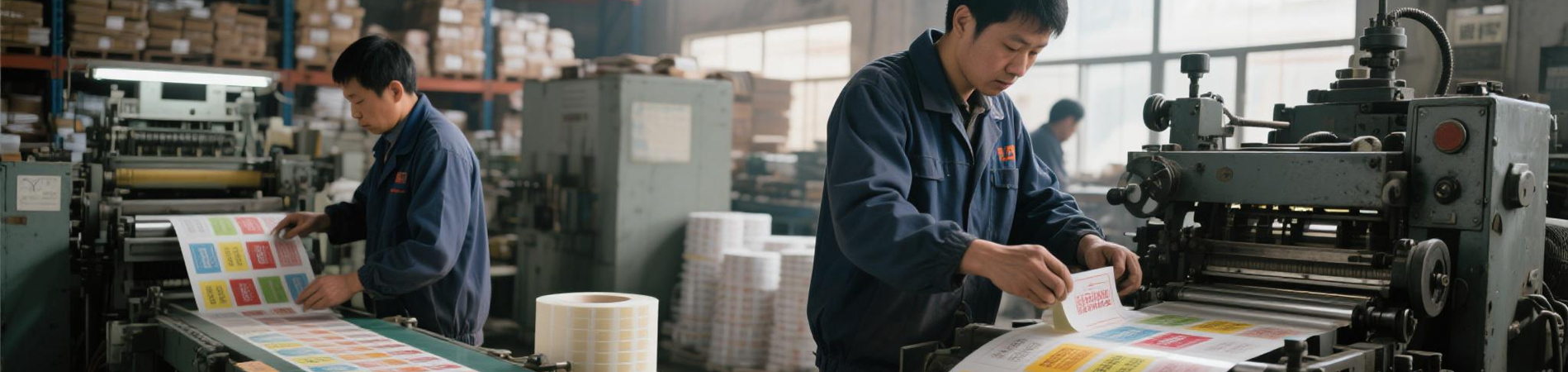
What Is the Protective Layer of Thermal Label Paper?
The core of thermal label paper is the thermal coating. When the print head heats up, the coating undergoes a chemical reaction to produce color. However, the thermal coating itself is quite fragile and is susceptible to external factors such as friction, light exposure, moisture, and chemical solvents. These factors can cause the image to fade or become blurry. To extend the lifespan of the label and enhance its durability, manufacturers apply a transparent protective layer on top of the thermal coating.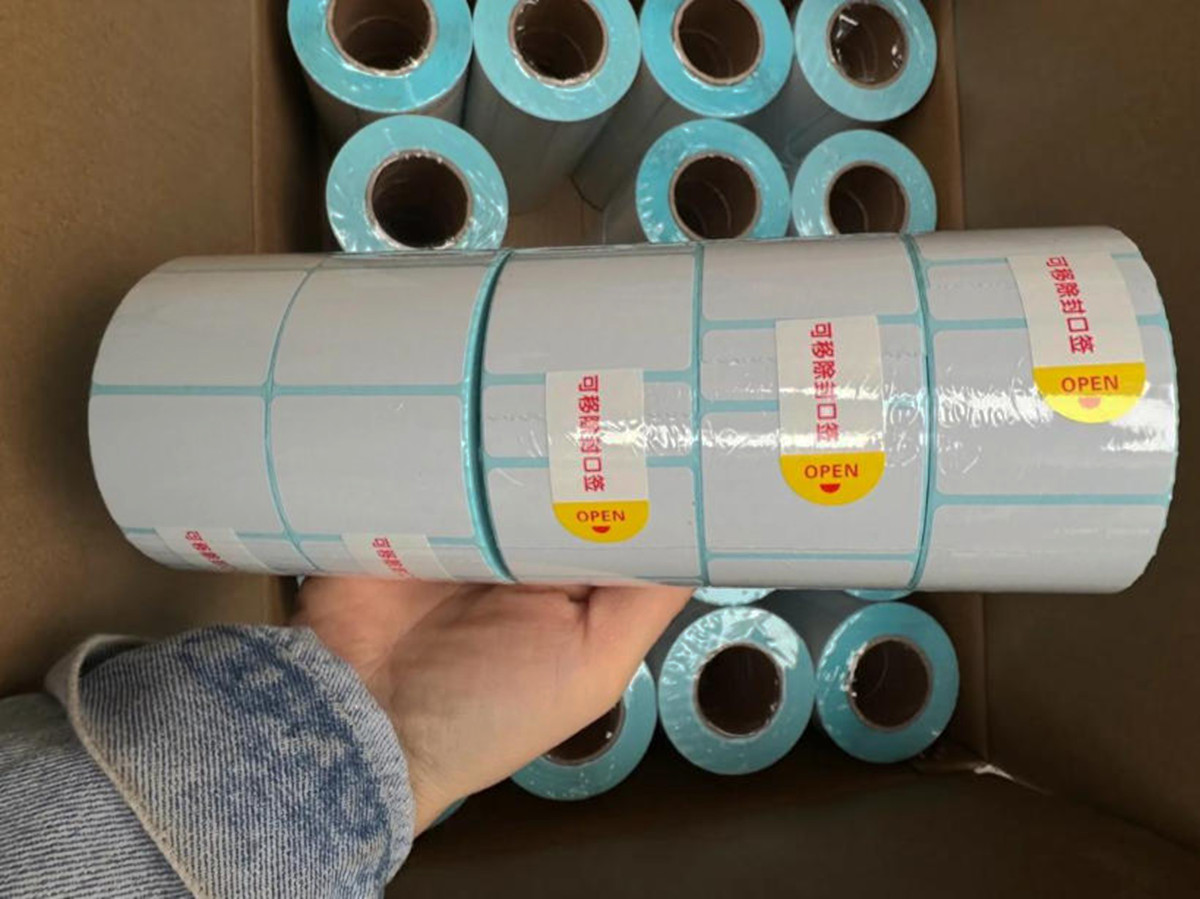
Common Materials for the Protective Layer
At present, the protective layer of thermal label paper mainly uses the following types of materials:Polyvinyl Alcohol (PVA, Polyvinyl Alcohol)
PVA has excellent film-forming and water-soluble properties. It is often used in ordinary thermal paper that requires certain moisture-proof performance but does not pursue extreme durability. However, PVA has poor stability in high humidity environments. Therefore, it is mostly used in short-term label scenarios.Styrene-Acrylic Copolymer (Styrene-Acrylic Copolymer)
This type of material combines the hardness of styrene with the flexibility of acrylic. The protective film formed is both wear-resistant and light-resistant. It is particularly suitable for thermal labels that need to be preserved for a long time or exposed to outdoor environments, such as logistics waybills and warehouse labels.Silicone-based Materials
In some high-end applications, silicone-based materials are used as the protective layer to provide excellent heat resistance, UV resistance, and anti-adhesion properties. These materials are costly and are usually used for special industrial labels or medical record labels.Wax Emulsion
Some economical thermal papers use wax emulsion as a simple protective layer. It mainly improves surface smoothness and minor scratch resistance. However, its durability is limited and is not suitable for long-term archiving or harsh environments.Fillers
In the protective layer of thermal label paper, fillers such as kaolin, ground calcium carbonate, precipitated calcium carbonate, silica, and alumina are also added. These fillers can not only reduce the cost of the protective layer but also improve its physical properties. For example, kaolin and calcium carbonate can increase the hardness and wear resistance of the protective layer, while silica can enhance its water and oil resistance. This allows the label to maintain good condition in various environments.Other Additives
In addition to the above main materials, other additives such as wet strength agents and lubricants are also added to the protective layer. Wet strength agents, such as polyamide/epichlorohydrin and adipic acid dihydrazide, can enhance the strength and toughness of the protective layer in humid environments. Lubricants, such as zinc stearate, paraffin wax, and calcium stearate, can improve the surface properties of the protective layer, reduce friction, and enhance the printing and processing performance of the label.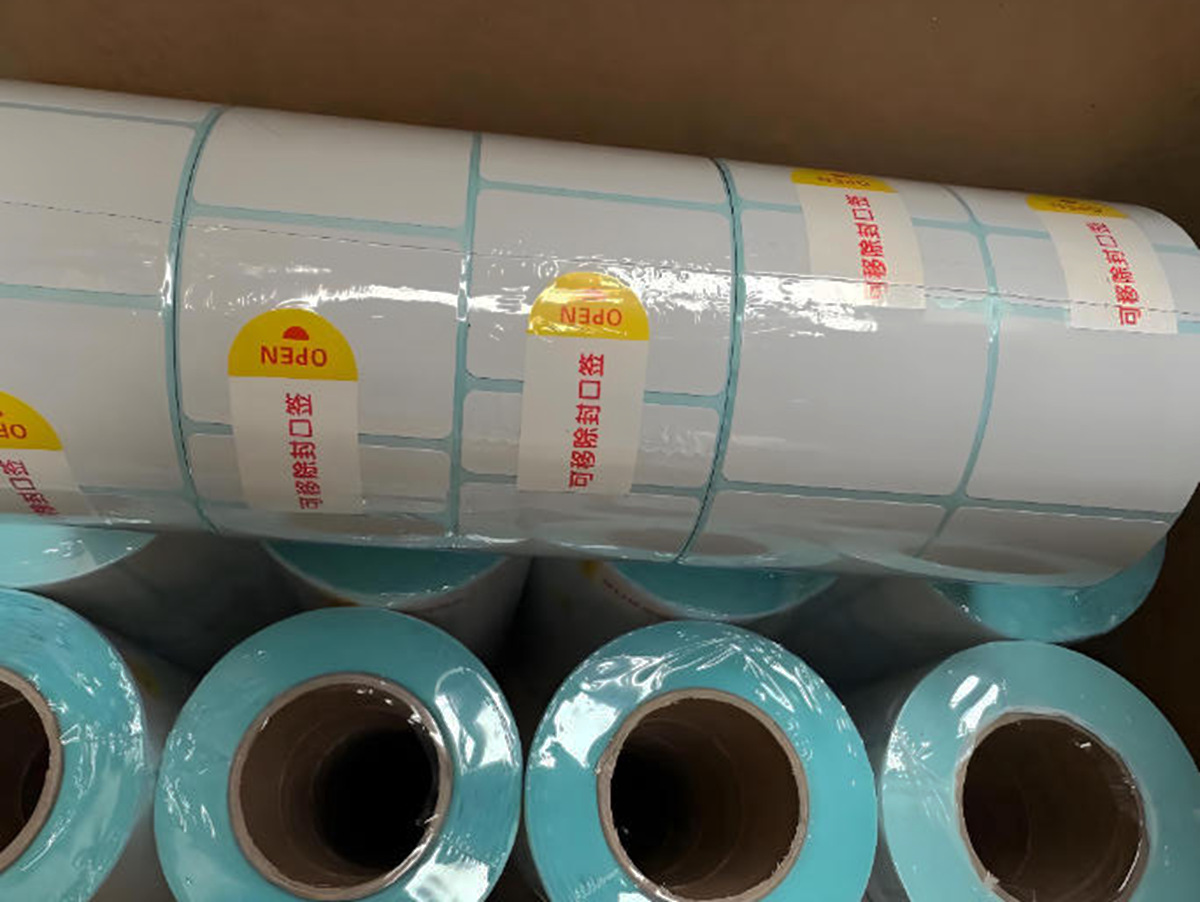
Summary of the Functions of the Protective Layer
• Scratch and Wear Resistance: Prevents the printed content from being erased during transportation or use.The protective layer of thermal label paper has a wide variety of materials. Different material combinations can meet various usage requirements. With the continuous advancement of technology, it is believed that more new materials will be applied to the production of the protective layer of thermal label paper in the future. This will further enhance the performance and application scope of thermal label paper.


 Lianqian Neighborhood, Siming District, Xiamen, Fujian,
China 361008
Lianqian Neighborhood, Siming District, Xiamen, Fujian,
China 361008 Tel: 0086-13395056294
 Email: sinitan@foxmail.com