
What Are You Looking For?

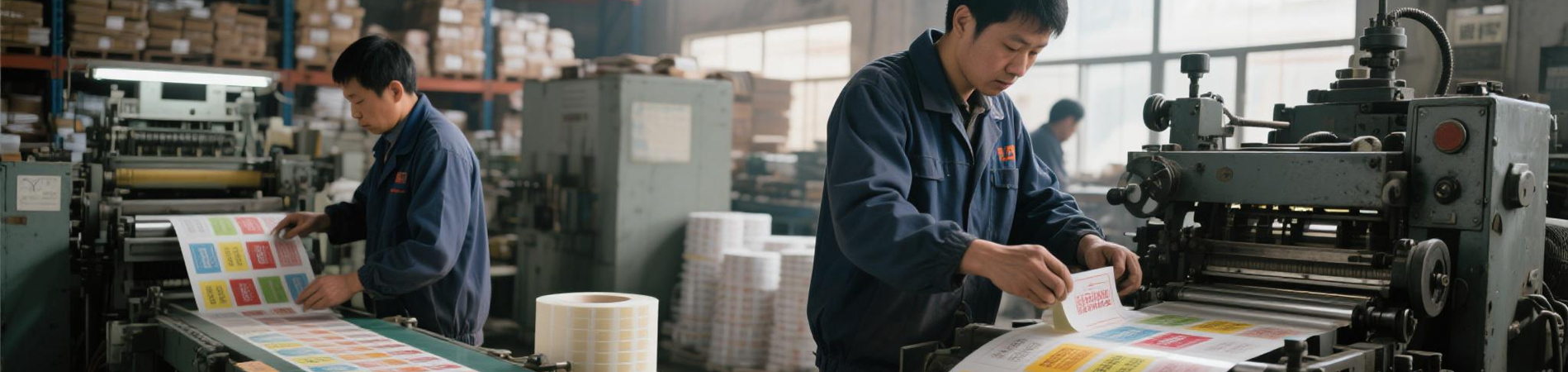
Key Properties of Films
The key properties of film materials include thickness, gloss, color, haze / optical density, surface energy, shrinkage rate, tensile strength and elongation, tear resistance, and flexibility. Although many of these properties sound familiar, some are worth further understanding.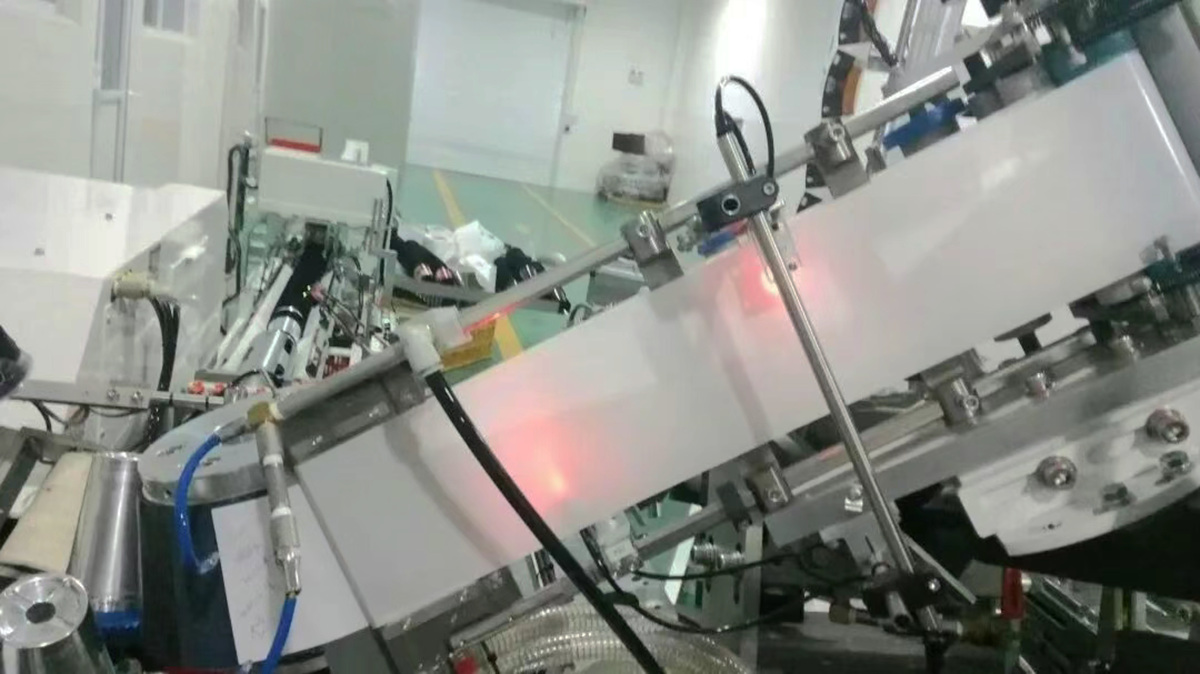
Mainstream Film Application Characteristics
01 PET Film: Durable Goods Labels
The thickness of this biaxially oriented film ranges from 0.5 mil to 10 mil. PET film is usually available in transparent, transparent matte, and white.02 PVC Film: Outdoor Advertising
The thickness of PVC film ranges from 2 mil to 12 mil and has a high degree of flexibility, making it suitable for applications involving compound curves. PVC is a very moldable film that can easily be embossed to create unique textures and is also easy to print.03 PP Film: Consumer Goods Labels
PP film is usually available in transparent, transparent matte, white, or silver (metallized). Like PET, PP film is often biaxially oriented and has strong chemical resistance, allowing it to come into contact with various contents inside the container.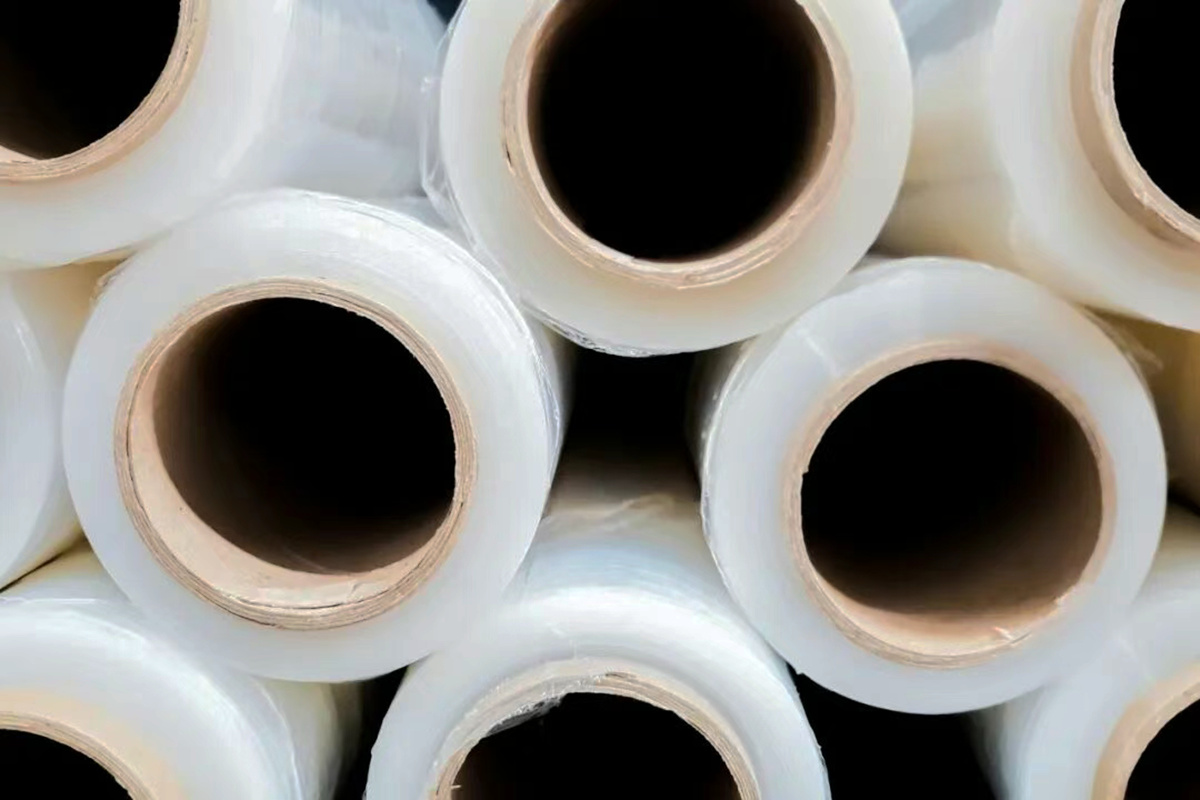
04 PE Film: Flexible Container Labels
PE film mainly comes in transparent, transparent matte, and white matte, and also has metallized versions, with thickness ranging from 1.5 mil to 4 mil. PE has excellent chemical resistance and can withstand exposure to container contents. It is usually produced by blow - molding or cast - extrusion processes. Blow - molded products are harder than cast products, while cast products are a non - oriented, flexible substrate, making them ideal for applications requiring extreme deformability or squeezability.05 Specialty Films: Customized Application Scenarios
Specialty films refer to functional films with unique functions, high - performance indicators, and customized application scenarios, which are different from traditional plastic films. Through precision processes and material design, they can precisely control environmental factors such as light, heat, water vapor, and oxygen, and are widely used in fields such as electronics, medical care, and new energy.In summary, when selecting film materials, it is necessary to comprehensively evaluate factors such as label usage, environmental requirements, printing processes, and cost. If high - temperature resistance and environmental friendliness are needed, PET film should be prioritized; if high shrinkage is required, PET film is more suitable; if cost - sensitive, PVC film or PE film can be considered; for special applications, PC film or acrylic film is more appropriate.


 Lianqian Neighborhood, Siming District, Xiamen, Fujian,
China 361008
Lianqian Neighborhood, Siming District, Xiamen, Fujian,
China 361008 Tel: 0086-13395056294
 Email: sinitan@foxmail.com