
What Are You Looking For?

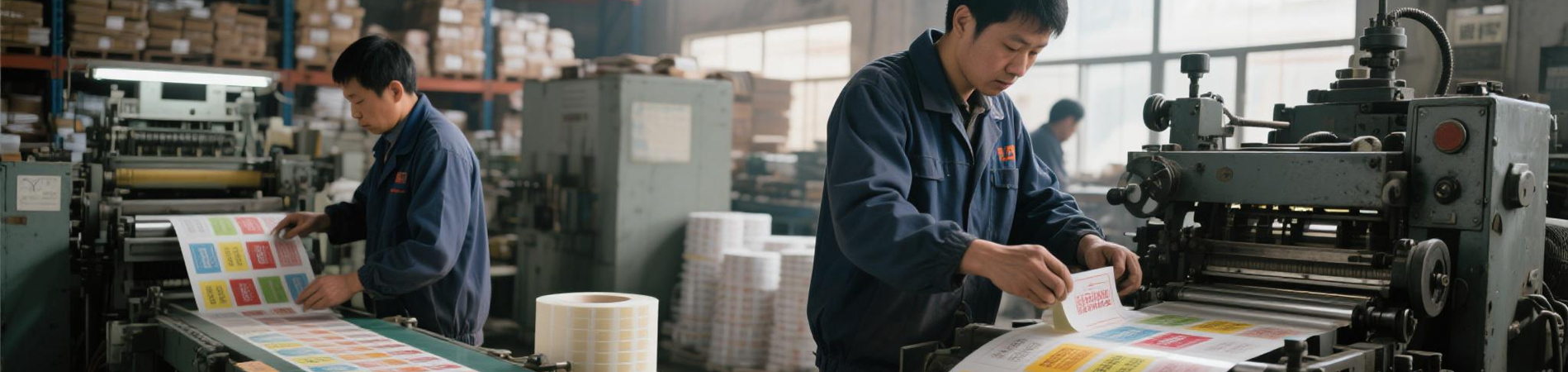
The Evolution of Flexo Plate Making: Trends, Technologies, and Market Leaders
Who Will Lead the Future of Flexography?
Judging from the market situation in 2025, the overall number of newly launched flexible printing plate products remains limited, and the technological landscape of the flexographic plate market has not undergone fundamental changes. The current mainstream plate-making routes remain focused on three major systems: solvent-wash plates, water-wash plates, and thermal-sensitive plates. In addition to the above routes, there are other technological paths in the industry such as liquid plates and direct-engraving plates. However, due to their relatively limited application areas and small market share, this article will not discuss them in detail.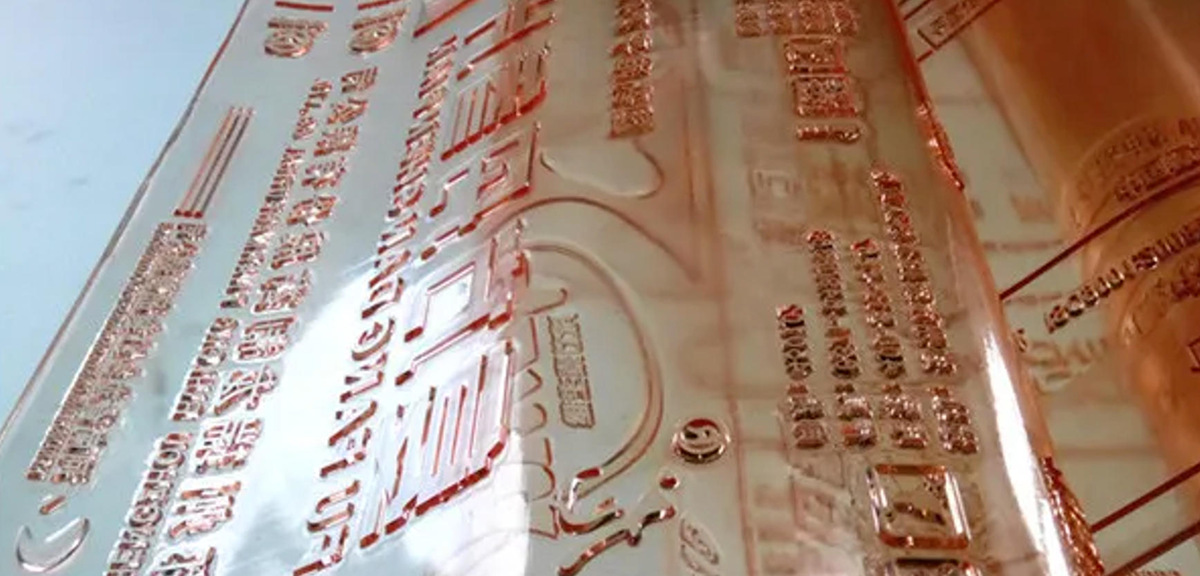
Three Mainstream Plate-Making Systems
Among the three mainstream plate-making systems, solvent-wash plates have long occupied a dominant position in the flexographic plate market, relying on their wide applicability, mature process systems, and high market acceptance. Their overall market share significantly leads that of water-wash and thermal-sensitive plates. Whether in terms of format adaptability, printing durability, ink transfer capability, or process fault tolerance, solvent-wash plates still possess the strongest comprehensive adaptability.However, from the perspective of environmental protection and compliance, water-wash and thermal-sensitive plates also possess irreplaceable technical value. As an important technological direction for solvent-free plate making, thermal-sensitive plate making has significant advantages in reducing VOC emissions, simplifying the plate-making process, and improving plate-making efficiency. Therefore, it has received continued attention against the backdrop of increasingly strict environmental regulations. Water-wash plates also boast advantages such as fast plate-making speeds and a relatively lower environmental burden, but their application is currently more concentrated in the label printing sector using UV inks.
In terms of regional application, thermal-sensitive plates have been widely used in the label and flexible packaging printing industries in North America, demonstrating significant advantages in VOC emission reduction and the plate-making process. However, from a technical boundary perspective, thermal-sensitive plates are still constrained by the dual limitations of plate material performance and application scenarios. In situations requiring high quality, large formats, high printing durability, high ink transfer requirements, or under extreme printing conditions, their applicability remains limited.
Water-wash plates also have their inherent constraints, including cost structure, final print quality, and the scope of application areas, making it difficult for them to form a comprehensive substitute in a wider range of flexographic applications.Comprehensively speaking, if solvent-wash plates can achieve substantial improvements in environmental compliance and plate-making efficiency in the future, their dominant position in the field of flexographic plates will likely be maintained for a long time. This also determines that, in the foreseeable future, solvent-wash, water-wash, and thermal-sensitive plates will coexist in parallel until a certain technological route forms an overwhelming comprehensive advantage in key dimensions such as performance, cost, and compliance.
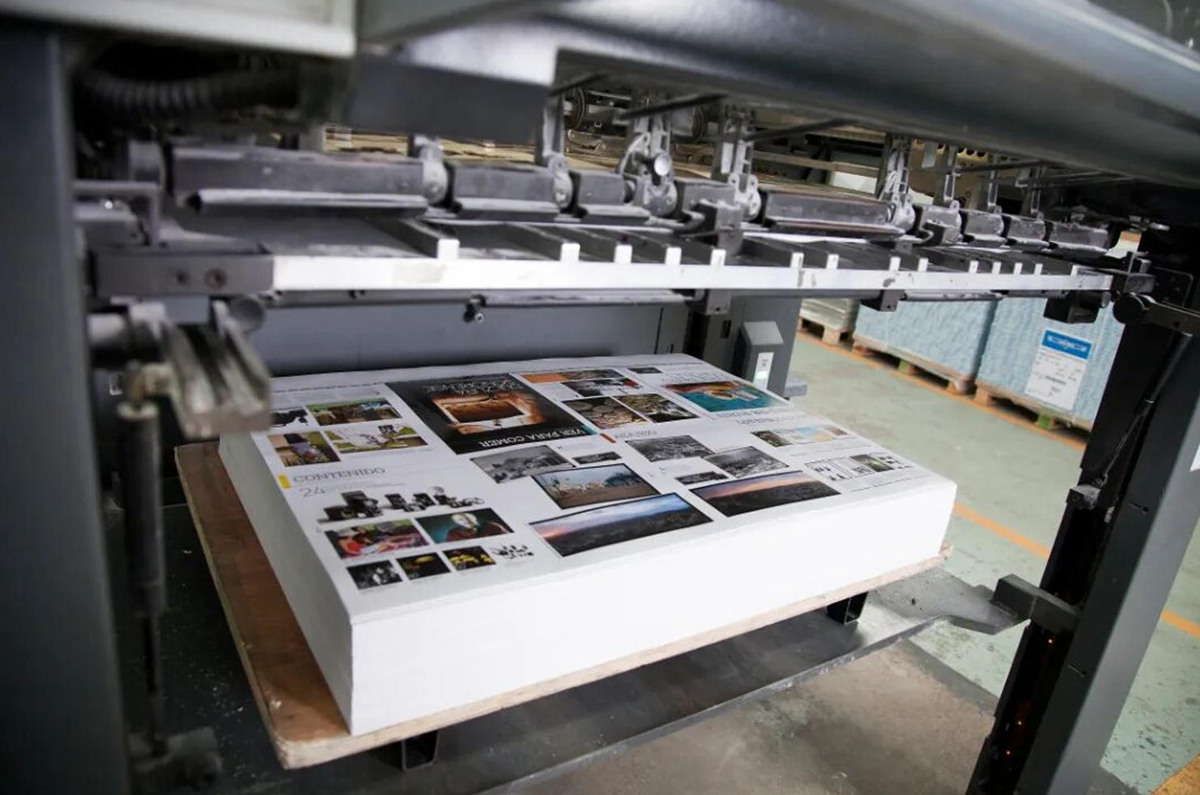
Future Development of Flexo Plate Making
Looking ahead, the core driving forces propelling the continuous development of flexographic printing have not fundamentally changed. Cost, quality, sustainability, and efficiency will remain the main themes of technological evolution and will jointly influence the evolutionary direction of the flexo plate-making system for a considerable period. Against this backdrop, the field of flexo plate making is expected to present several deterministic technological development trends.First, from a macro perspective, flexography will maintain a continuous development trend in China and major global economies. In the field of packaging printing, flexography's advantages in long-run stability, material adaptability, and comprehensive cost are still significant, and its process status is difficult to be replaced by other printing methods in the short term.
Second, regarding plate-making technology paths, flexo plate technology will continue to develop in parallel around the three major systems of solvent-wash, water-wash, and thermal-sensitive plates. Relying on their maturity, scope of application, and process flexibility, the overall output of solvent-wash plates will likely remain dominant for a considerable time. Meanwhile, the tightening of environmental regulations and the continuous rise of corporate compliance pressure will enable water-wash and thermal-sensitive plates to gain more development space in specific application areas, with their market share expected to gradually expand.
Third, artificial intelligence technology will continue to penetrate the pre-press field. In the short term, AI is more likely to first replace local high-repetition work links in the pre-press process, such as image retouching, color separation, and some standardized processing tasks. In the medium to long term, AI has the potential to reconstruct existing complex and fragmented pre-press workflows, producing a substantive impact on the organizational methods of traditional pre-press systems.
Fourth, the performance of plate-making equipment will continue to improve. Advances in laser imaging, exposure, and plate-making systems in terms of resolution, stability, and automation will gradually narrow the gap between flexography and other printing methods, while further enhancing flexography's advantages in production efficiency and comprehensive cost.
Fifth, from the perspective of industrial structure, participants in China's flexo supply chain will continuously improve their comprehensive competitiveness. Whether in equipment, plate materials, or system integration capabilities, more and more Chinese enterprises are gradually moving towards the international market and playing a more important role in the global flexo industry chain.
Overall, the future development of flexographic printing possesses a solid industrial and technological foundation, and the development of flexography in China is equally worth looking forward to. On the premise of rationally recognizing challenges and technical boundaries, continuously advancing progress at the process, equipment, and system levels will help push flexo plate technology to new heights.
Flexography, Flexo Printing Plates, Solvent-wash Plates, Water-wash Plates, Thermal-sensitive Plates, Flexo Plate Making Technology, Future of Flexo, Sustainable Printing, VOC Reduction, AI in Pre-press


 Lianqian Neighborhood, Siming District, Xiamen, Fujian,
China 361008
Lianqian Neighborhood, Siming District, Xiamen, Fujian,
China 361008 Tel: 0086-13395056294
 Email: sinitan@foxmail.com