
What Are You Looking For?

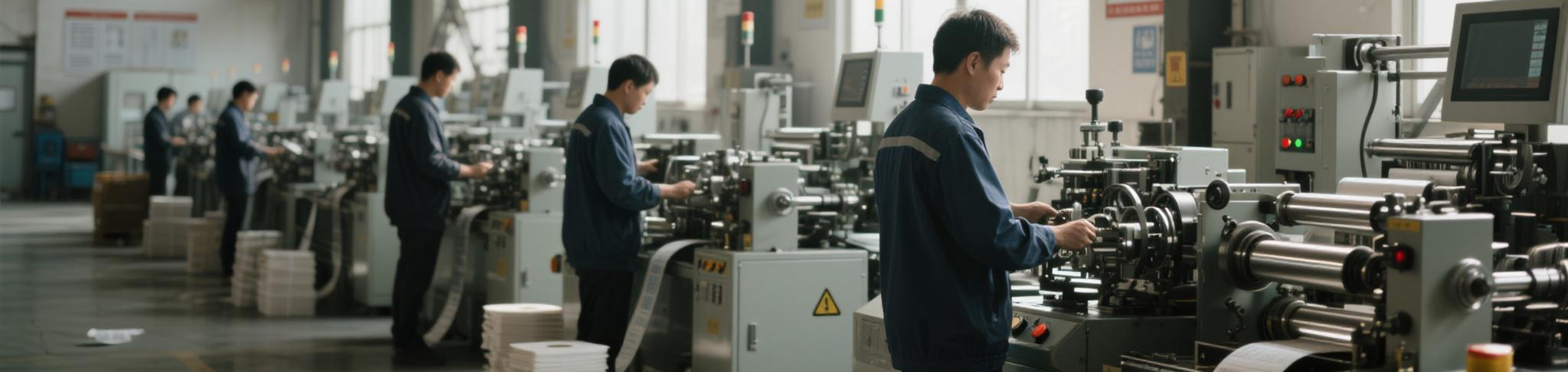
Previously, we received an inquiry from a food wholesale client. He had just invested 50,000 yuan to upgrade his warehouse system but stumbled at the labeling stage. Because he chose the wrong label material, a large number of labels fell off in the cold storage, leading to inventory chaos and directly causing losses of over 100,000 yuan in orders. He helplessly said, "I thought all labels were about the same; I didn't expect such serious consequences from choosing the wrong one." Similar stories happen every day. Unprofessional label selection can, at best, affect efficiency, and at worst, cause significant economic losses. Today, I will take you through a systematic selection methodology to help you say goodbye to the era of "choosing by feeling."
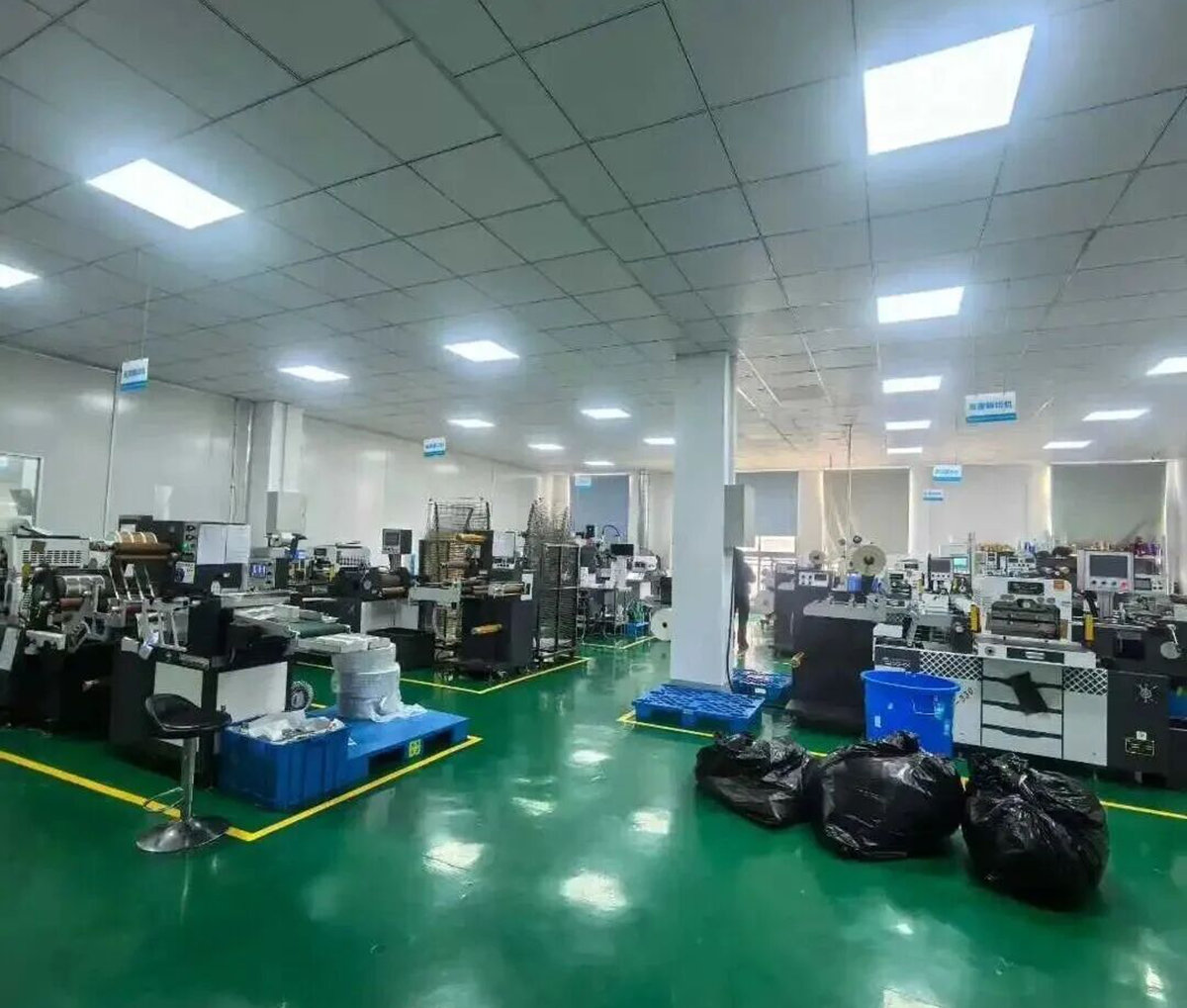
Part 1: Three Key Technical Parameters: Understanding the Label's "ID Card"
To choose the right self-adhesive label paper, you first need to understand its three-layer structure: facestock, adhesive, and liner. Each layer has corresponding technical parameters, acting like the label's "ID card" that determines its suitability for different scenarios.1. Facestock: The "Face" of the Label
The facestock is the printing layer of the label, directly exposed to the external environment. Common materials include coated paper, thermal paper, synthetic paper (PET/PP), matte silver paper, and taffeta.2. Adhesive: The "Sticky Soul" of the Label
The adhesive determines whether the label can stick firmly. Choosing the wrong adhesive is the main reason for label detachment. Common adhesive types include permanent acrylic, removable acrylic, hot melt adhesive, and water-based adhesive.3. Liner: The "Invisible Support" of the Label
The liner is the carrier of the label, affecting die-cutting precision and printing smoothness. Common liners include glassine liner, kraft paper liner, and PET liner.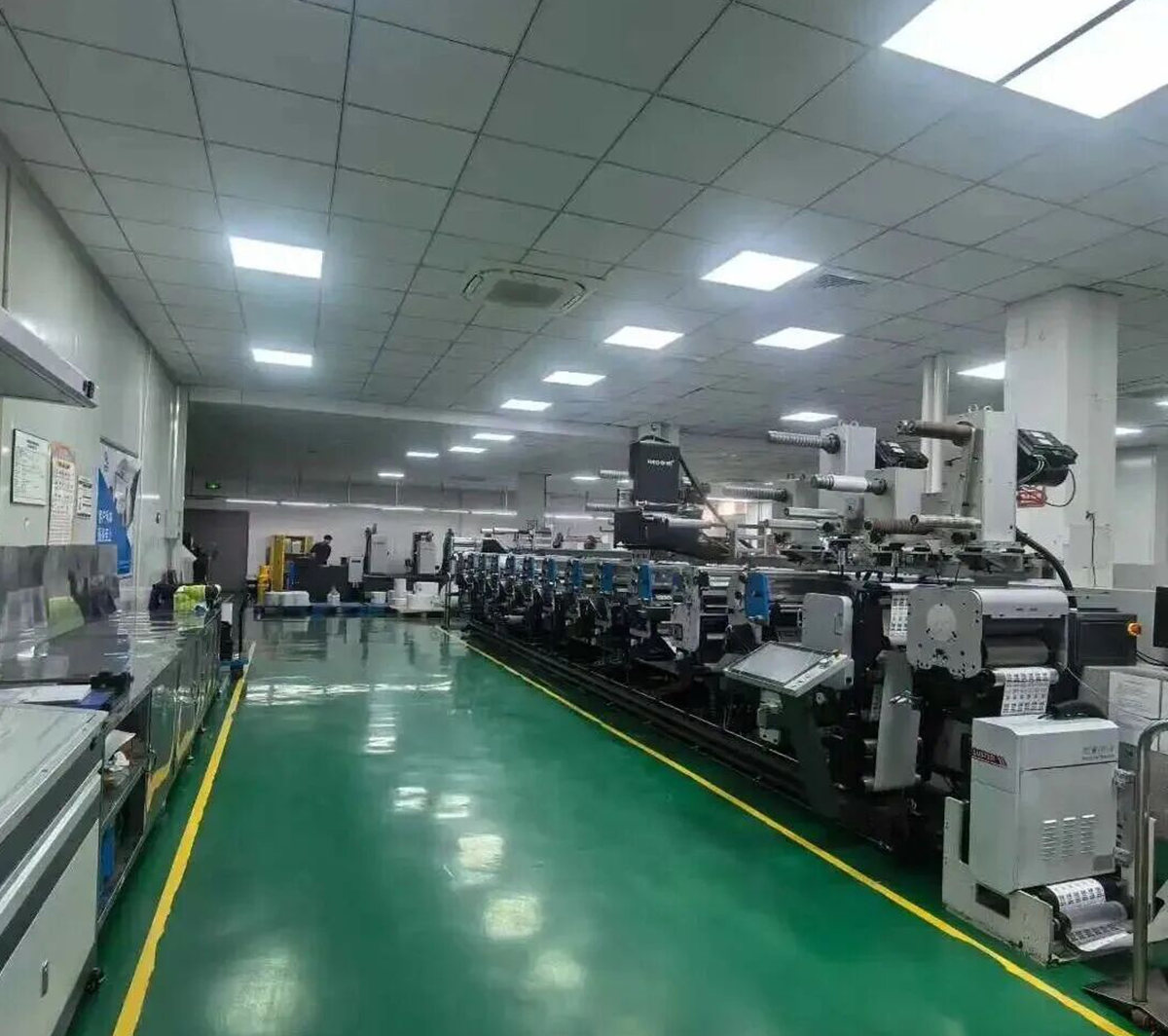
Part 2: Four Application Scenarios: Matching Your Real Needs
Now that you understand the theory, how do you apply it in practice? Let's look at a few typical scenarios.Scenario 1: Warehouse Logistics Labels
Pain Point: Requires fast printing, abrasion resistance, secure adhesion, and cost control.Scenario 2: Outdoor Product Identification
Pain Point: Poor weather resistance, fading when wet, and cracking under UV exposure.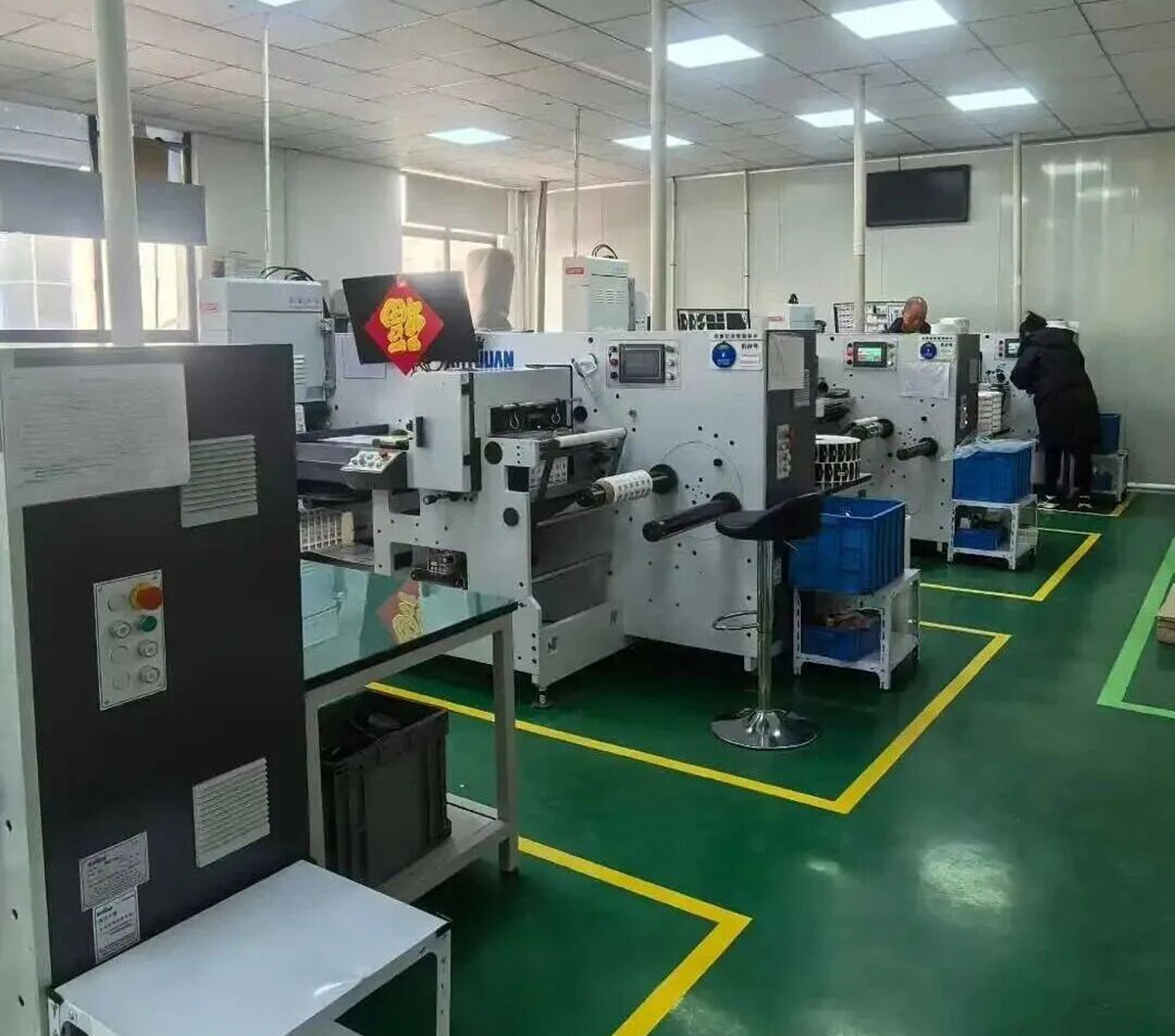
Scenario 3: Cold Chain Transportation Labels
Pain Point: Adhesive failure in low-temperature environments and label detachment due to condensation.Scenario 4: Industrial Environment Identification
Pain Point: Corrosion from oil and chemicals, and failure in high-temperature environments.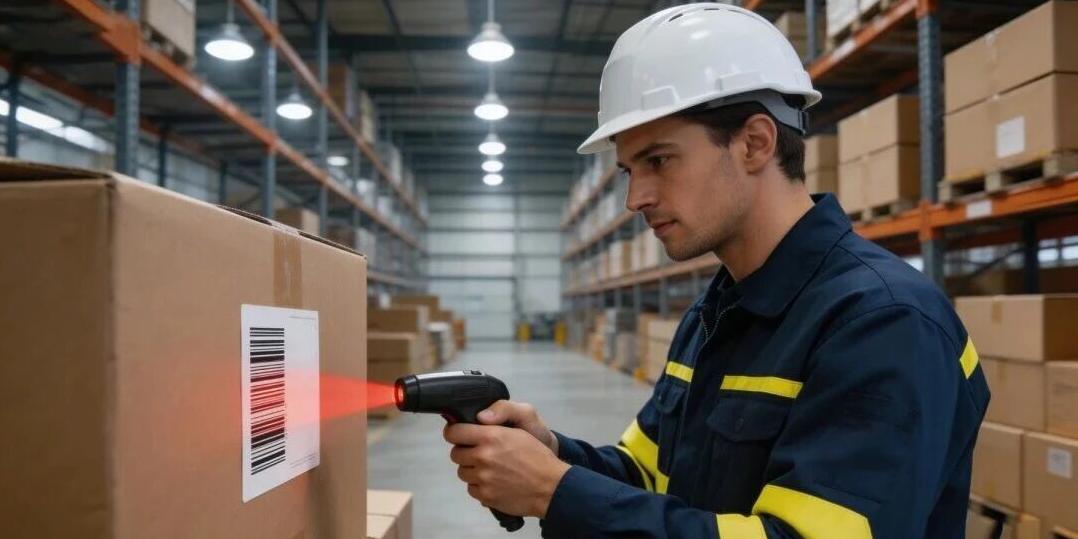
Part 4: Frequently Asked Questions (Q&A)
Q1: What is the actual difference between coated paper and thermal paper?Q2: How can I tell if the adhesive is suitable?
A: Perform a small test:Q3: Why do labels often jam in the printer?
A: It's usually a liner issue:Q4: What is the difference between RFID labels and ordinary labels?
A: This is cutting-edge industry technology:We want to hear from you: What is your most frustrating label usage scenario? Leave a comment below, and we might select it as a case study for an in-depth analysis in our next issue.
#Outdoor Product Identification#Warehouse Logistics Labels#Cold Chain Transportation Labels#warehouse management label paper#product identification label paper#logistics tracking label paper#self-adhesive label paper#warehouse management labels#product identification labels#logistics tracking labels#right self-adhesive label paper#coated paper#thermal paper#synthetic paper (PET/PP)#matte silver paper


 Lianqian Neighborhood, Siming District, Xiamen, Fujian,
China 361008
Lianqian Neighborhood, Siming District, Xiamen, Fujian,
China 361008 Tel: 0086-13395056294
 Email: sinitan@foxmail.com