
What Are You Looking For?

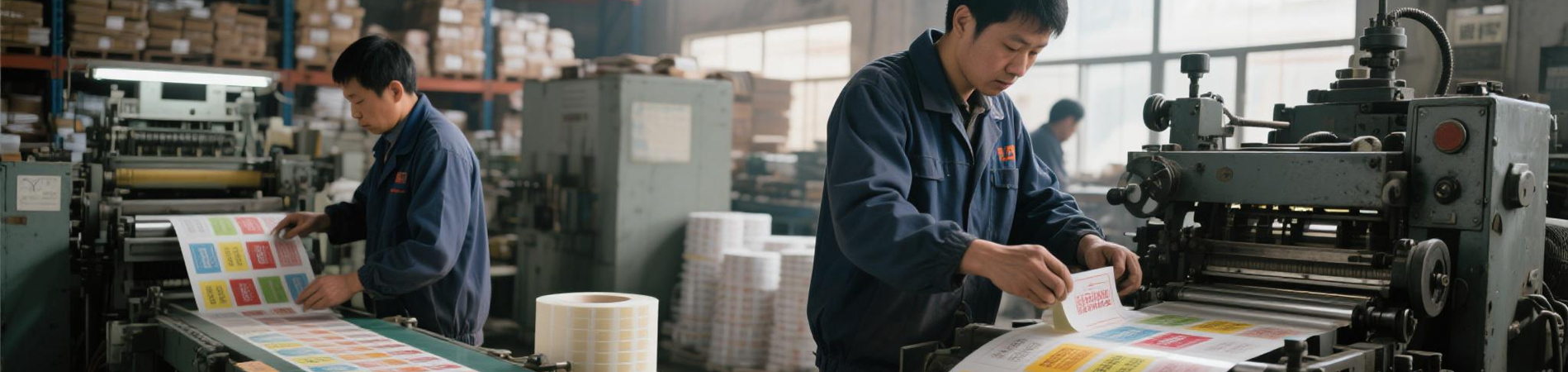
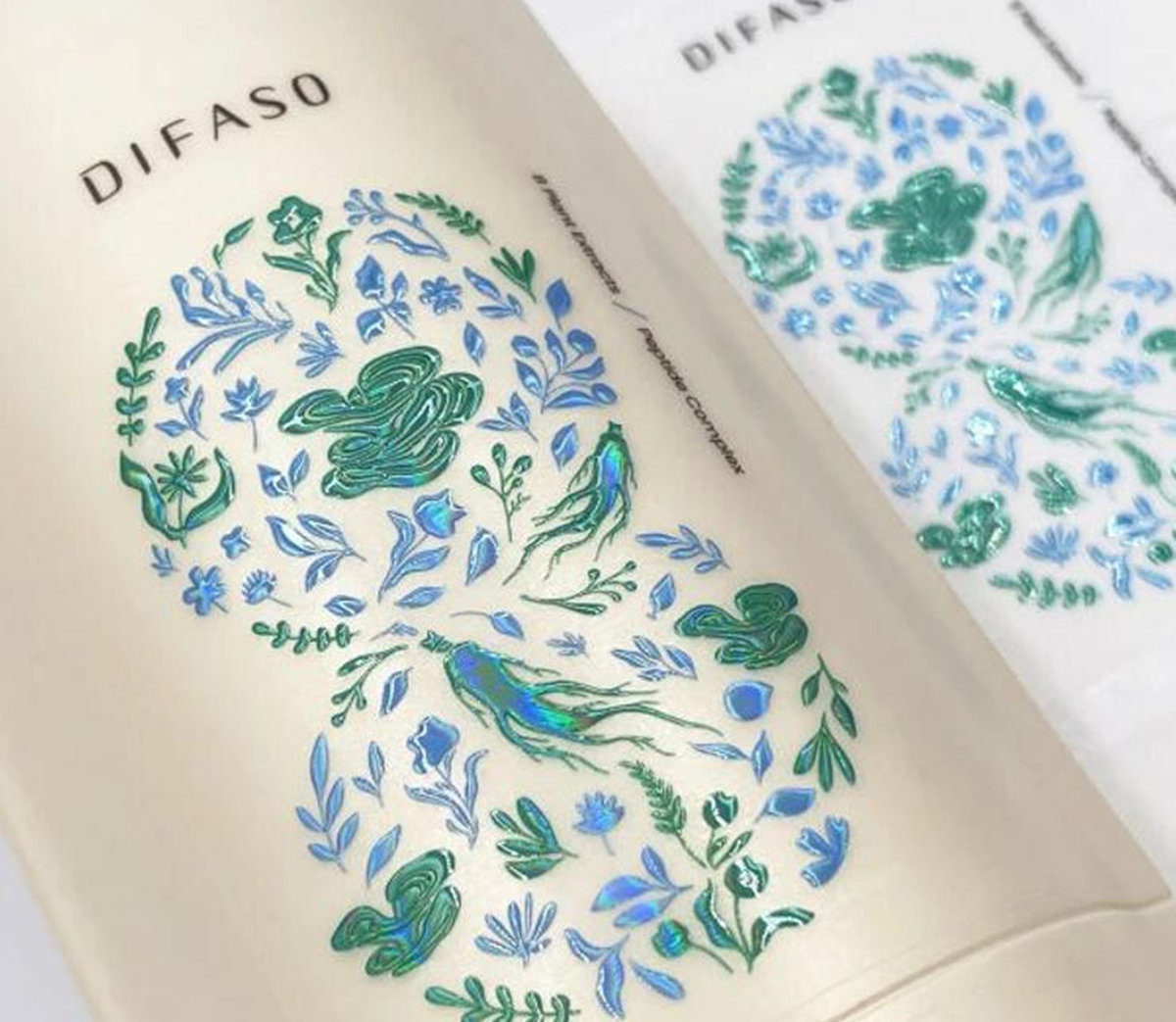
Can You Sue Over Added Stickers?
Answer: Yes, but the scope is very limited. Here's why: whether adding stickers violates regulations depends on what information is being covered. For ordinary information like ingredient lists, product standards, or production licenses, stickers are permissible. However, production dates and shelf life are strictly prohibited from being added, supplemented, or altered by stickers. This is explicitly stated in GB 7718-2011 General Rules on Prepackaged Food Labeling, Section 4.1.7.1: "The production date and shelf life of prepackaged food shall be clearly marked... Date marking shall not be added, supplemented, or altered separately." The regulation is crystal clear. Therefore, sticker additions are only allowed for other label information—never for production dates or shelf life.Compliance for added stickers mainly applies to typos and missing characters. For example, if the correct standard "GB 7099" was misprinted as "GB/T 7099," a sticker fix works perfectly. Similarly, if "dehydroacetic acid sodium" was misspelled as "dehydrocyanic acid sodium", a sticker correction is appropriate. Such fixes for erroneous or missing labels are compliant. However, stickers cannot fundamentally change the nature of the product. There was a case where a manufacturer had added dehydroacetic acid sodium to their product, but after it was banned in baked goods starting February 8th, they concealed this in the ingredient list by covering it with a small white sticker. If the ingredient wasn't actually used, that might be defensible—but actively using it while covering it up with a sticker is a clear violation.
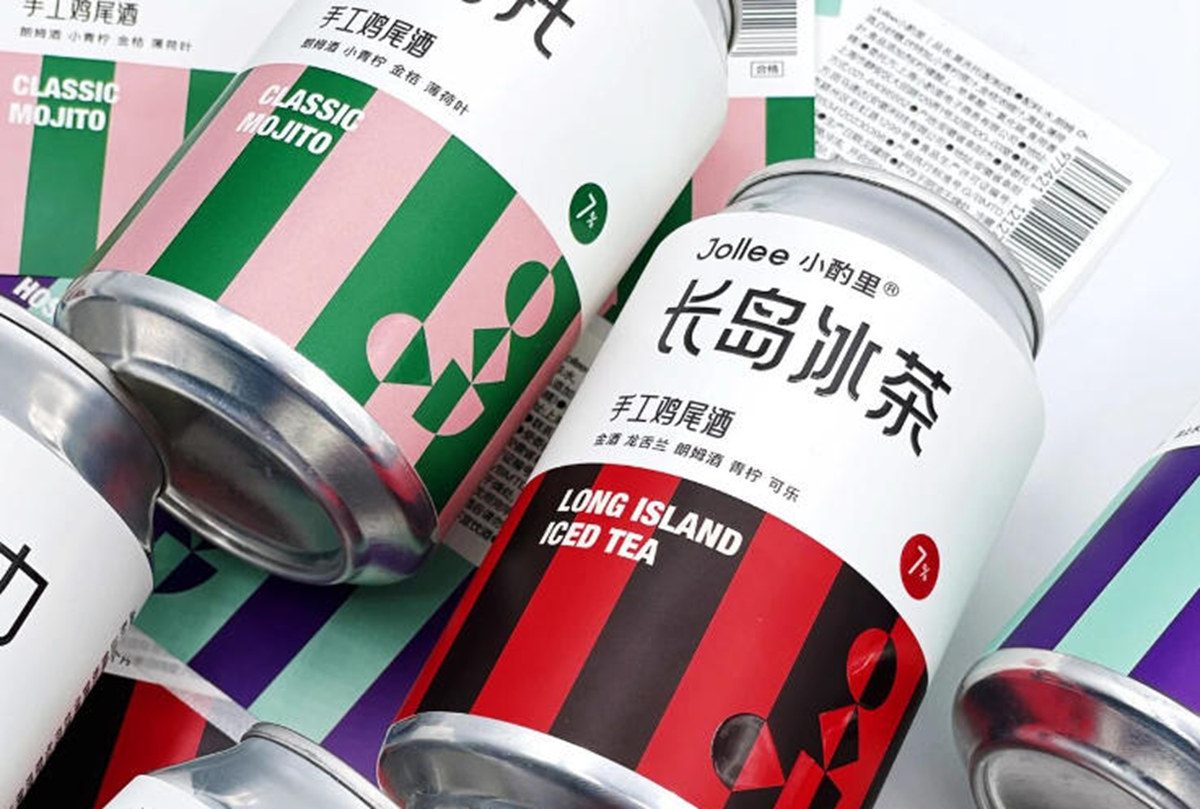
Adding stickers is the lowest-cost remedy for minor errors. Those frequently involved in food label disputes commonly see nutrition facts tables coverewith sticker corrections when nutritional values were miscalculated. However, be aware that stickers are not 100% reliable. For new packaging materials, avoid stickers whenever possible. The professional complainant community is mixed—even among legitimate actors, some will do anything for money, including physically peeling off added stickers to expose the underlying non-compliant information. Don't be surprised: there are bad actors who deliberately remove added stickers and then file complaints about labeling violations. Therefore, continuous reliance on stickers is not recommended; replace with new packaging materials when possible. For professional complainants, only date-related sticker additions are actionable—other sticker corrections are not problematic.
Product labels, product label printing, food labels, food label printing, packaging printing, labels, label printing factories, food packaging labels


 Lianqian Neighborhood, Siming District, Xiamen, Fujian,
China 361008
Lianqian Neighborhood, Siming District, Xiamen, Fujian,
China 361008 Tel: 0086-13395056294
 Email: sinitan@foxmail.com