
What Are You Looking For?

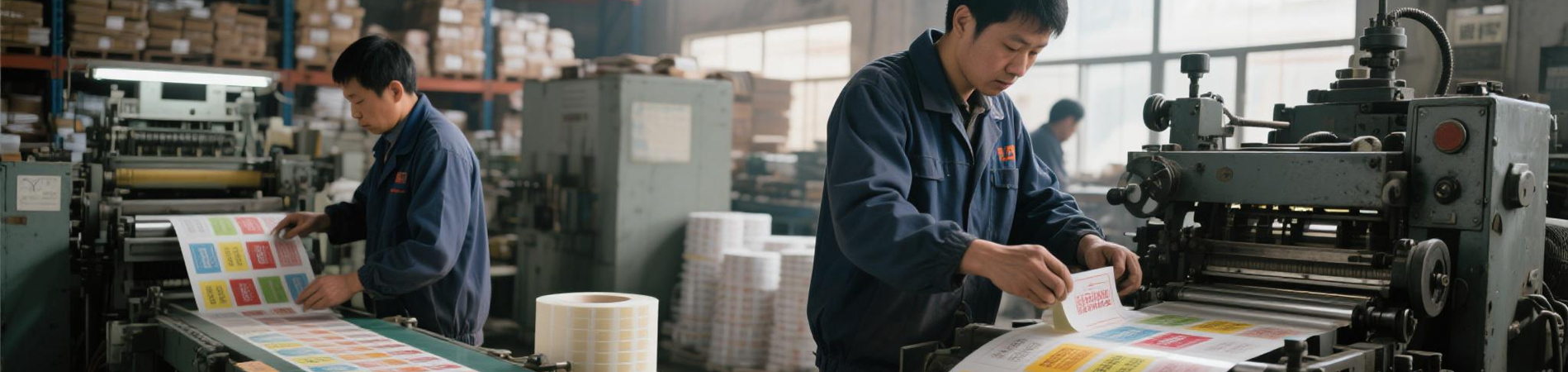
Many businesses, when customizing self-adhesive labels, always start by asking "How much per square meter?" or "What's the minimum order quantity?" They focus solely on cutting prices while ignoring the core elements of a label: material, adhesive, and printing process. Thinking they've saved a few bucks on costs, they're hit with a wave of problems once the labels arrive and are applied: edges curling after just two days on a bottle, entire batches falling off in cold storage, ink fading in high-temperature environments, or automatic labeling machines frequently jamming and shutting down... The costs of rework, delayed shipments, and product waste end up being far more than the small amount they initially tried to save.
Today, let's expose the 4 biggest pitfalls in custom self-adhesive label ordering so you'll never be tricked by low prices again.
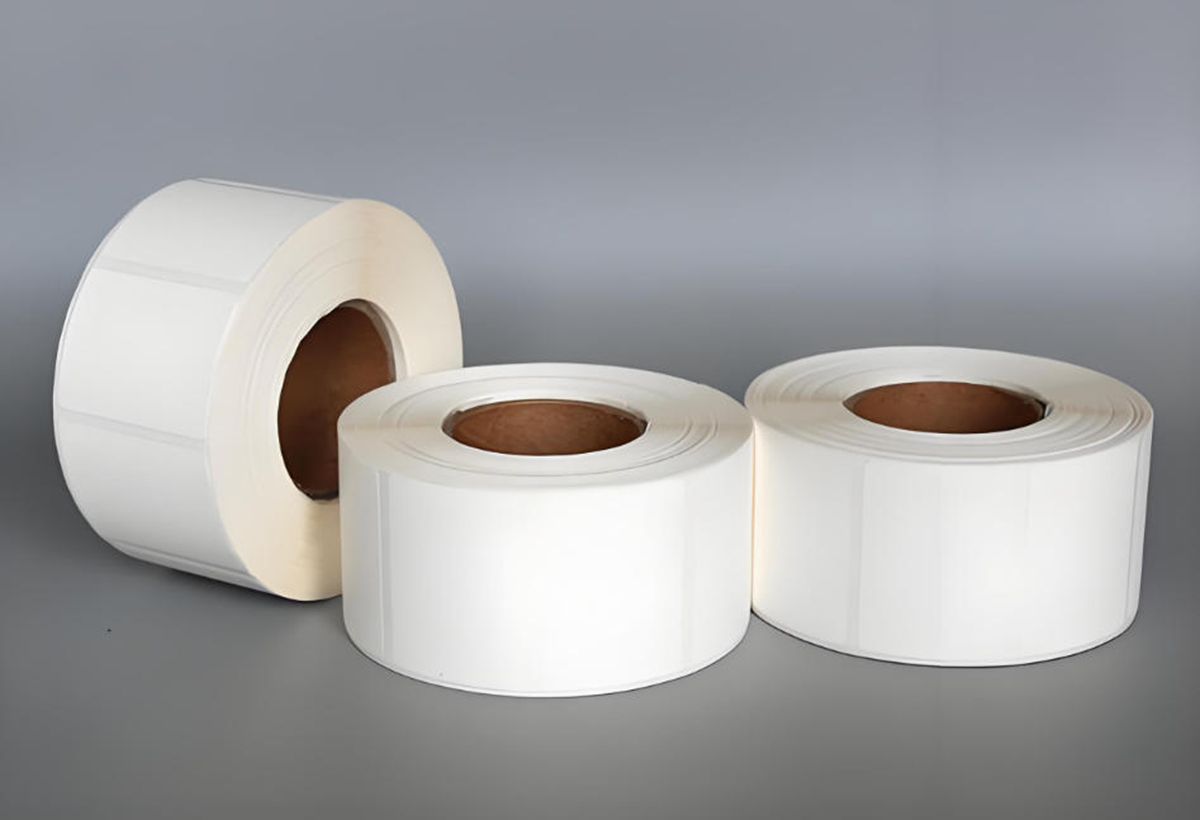
Pitfall 1: Only Looking at the Face Stock, Ignoring the Invisible Adhesive
Many low-priced labels look identical to premium versions on the surface; you can't tell any difference in the paper or printed design. The trickery is all hidden in the adhesive. Reputable custom manufacturers match the adhesive to the usage scenario: standard water-based adhesive for room temperature, hot-melt adhesive for cold storage/freezing, and solvent-resistant adhesive for high-heat electrical applications. Low-price traps, however, simply use inferior generic adhesive for everything, regardless of whether you're labeling glass bottles, plastic bottles, storing items in sub-zero freezers, or using them in high-heat workshops. The consequence is that they might barely work at room temperature, but they'll immediately delaminate and curl at the edges when exposed to water, cold, or heat, resulting in an entire batch of worthless labels—a loss that far outweighs any initial savings.Pitfall 2: Substituting the Liner, Causing Frequent Jams in Labeling Machines
Business owners using automatic labeling production lines are most likely to fall victim to corner-cutting on the liner. High-quality labels come standard with glassine liner, which offers excellent stiffness, high density, and sufficient toughness, making it compatible with high-speed labeling machines for smooth, jam-free feeding. To cut costs, low-price suppliers substitute it with standard thin white kraft liner, which is softer and less durable. You can't see the difference with the naked eye, but problems arise immediately on the machine: frequent paper breaks, jams, and misalignment during labeling, delaying production schedules. The hidden costs of manual停机 and cleanup skyrocket.Pitfall 3: Simplifying Post-Printing Processes, Sacrificing Both Aesthetics and Durability
The texture and durability of premium labels rely entirely on post-printing processes: varnishing, laminating, embossing, and foil stamping are all essential. To save money, low-price orders skip steps like matte/gloss lamination or spot UV coating, sometimes even omitting basic UV varnishing. The finished labels feel flimsy and cheap to the touch, lack texture, and are extremely prone to scratches and fading. In humid environments, they easily absorb moisture and wrinkle. A high-end product is dragged down in perceived value by a cheap label, ultimately harming your brand image.Pitfall 4: Using a One-Size-Fits-All Material Regardless of Application, Resulting in Poor Compatibility
Self-adhesive label materials come in various types: coated paper, synthetic paper, PE, PET, specialty papers, etc., and different industries require completely different materials. Cosmetics and personal care need soft PE film, cold-chain food requires three-proof synthetic paper, and electrical nameplates need high-temperature resistant PET. Low-price suppliers are too lazy to match the material to your specific scenario. No matter the industry or environment, they default to the cheapest standard coated paper. Paper-based materials are water-sensitive, heat-sensitive, and tear easily. When used in bathrooms, freezers, outdoors, or on electrical equipment, they quickly yellow, tear, and peel off.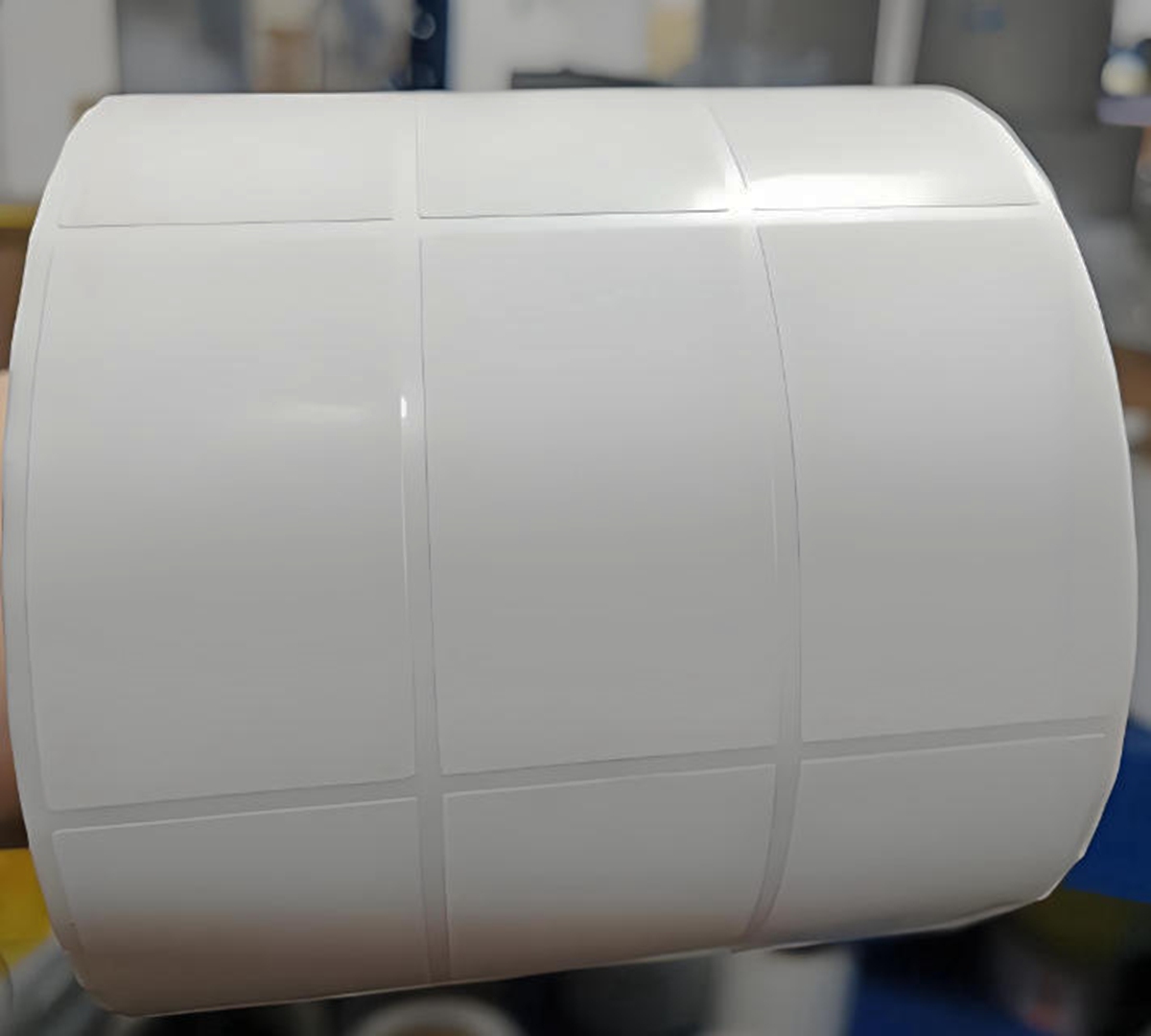
In reality, ordering self-adhesive labels is never about "the cheaper, the better." The right material, matched adhesive, and standard processes are the core of true value. Low prices might win you a one-time deal, but reliability and durability bring peace of mind. There's no need to blindly compare prices or follow trends. Choose the right material and process based on your product's usage scenario. A single, well-executed order that lasts is the real way to save money.
ShiMai Label Company specializes in custom self-adhesive labels, offering one-stop solutions for all industries including cosmetics, beverages, food, and electrical appliances. From material selection and process design to production and die-cutting, we provide professional one-on-one service throughout. We reject low-price gimmicks and only produce high-quality labels that are durable, attractive, and perfectly suited to your needs.
#self-adhesive labels #custom label #customizing self-adhesive labels #adhesive label #Self-adhesive label materials #High-quality labels #customizing self-adhesive label roll #customizing self-adhesive roll


 Lianqian Neighborhood, Siming District, Xiamen, Fujian,
China 361008
Lianqian Neighborhood, Siming District, Xiamen, Fujian,
China 361008 Tel: 0086-13395056294
 Email: sinitan@foxmail.com