
What Are You Looking For?

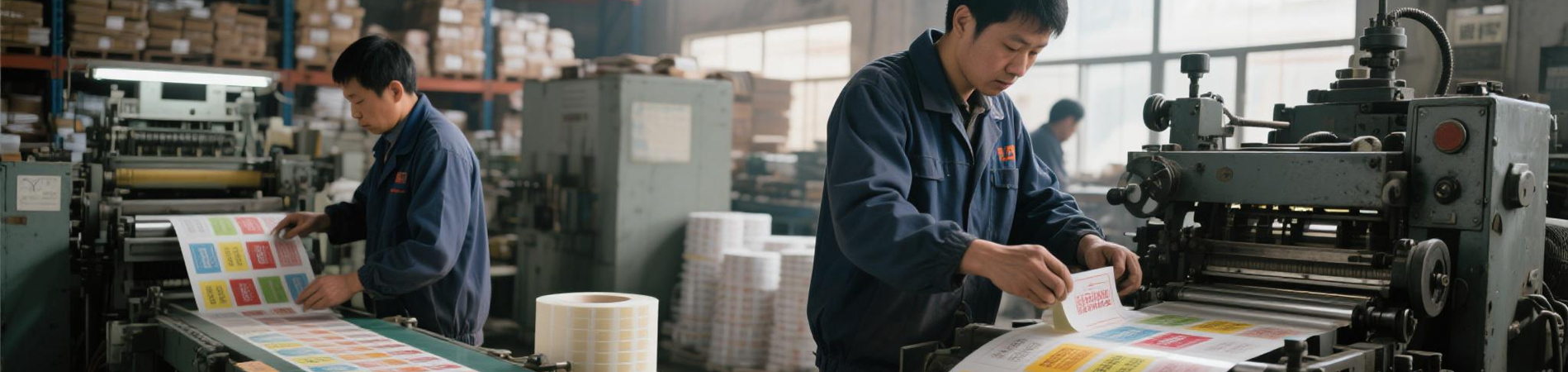
Peeling and Curling Pressure-Sensitive Labels? Customer Complaints? Here’s How to Resolve Them Easily!
Dear printing business owners, does your head spin every time the "Return of South Wind" (Hui Nan Tian) or the Plum Rain season arrives?
The air is thick with humidity. Right after you deliver the pressure-sensitive labels, customers come back complaining: the edges are curling like small waves, the surface layer is peeling, print is blurring, or worse, the labels lift and fall off within half a day of application. It’s a frustrating situation with no easy excuse!
Actually, there’s no need to panic! The core reason for pressure-sensitive label failures during these humid seasons is just one: excessive air humidity leading to poor adaptation between the label, the environment, and the substrate. Just remember these 4 key points to easily avoid these pitfalls!
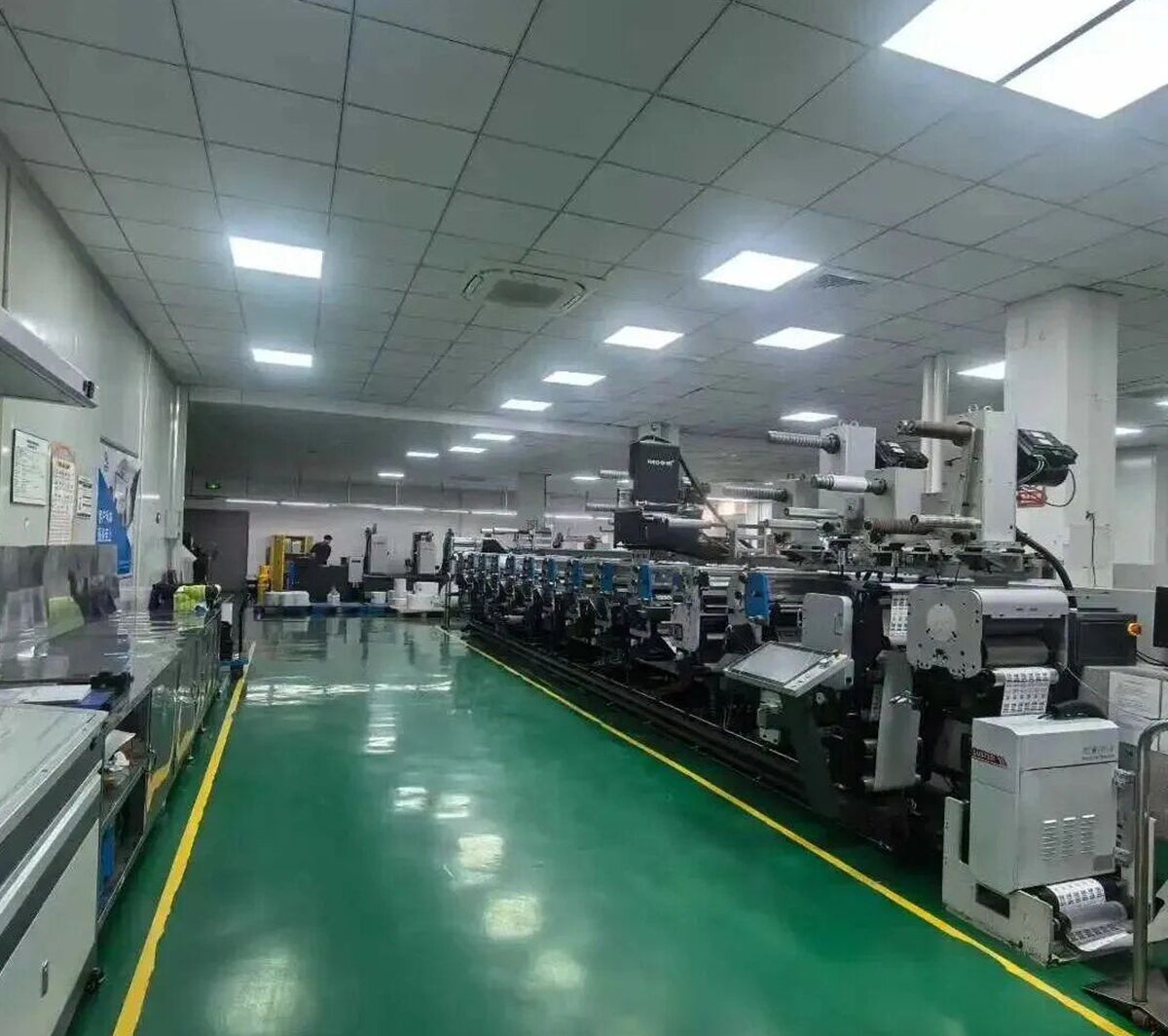
During high-humidity periods like the Return of South Wind or Plum Rain season, there’s a significant difference between the humidity inside the label packaging and the external environment. Applying labels directly causes them to absorb moisture and shrink unevenly, inevitably leading to curling and peeling later on.
Correct Practice: Advise customers to open the label packaging before application and let the labels rest in the labeling environment for a period (usually 1-2 hours, depending on humidity). This allows the label’s moisture content to equilibrate with the environment, reducing problems at the source.
2. Add Protection: Give Labels a “Protective Coat” to Block Moisture
Humidity is the arch-enemy of pressure-sensitive labels. Especially for surface materials, once they absorb moisture, they soften and peel. Therefore, adding a layer of “protection” is essential.
When taking orders, proactively suggest to customers: apply lamination or varnish coating to the labels. This “protective coat” effectively blocks external moisture and dampness. It not only prevents peeling and curling but also enhances the label’s gloss and abrasion resistance, making it more durable.

3. Store Properly: Control Warehouse Temperature and Humidity to Prevent Moisture at the Source
Often, label issues don’t stem from the labeling process itself but from poor storage conditions. During humid seasons, if the warehouse is damp and poorly ventilated, labels will gradually absorb moisture over time. Even if the labeling operation is perfectly executed later, peeling and curling can still occur.
Key Reminder: Remind customers to strictly control warehouse temperature and humidity, keeping the environment dry and well-ventilated. Avoid direct contact between labels and the floor or walls (use pallets instead), and ensure packaging is tightly sealed to prevent moisture infiltration. This protects label quality.
4. During Labeling: Ensure the Substrate is Dry and Clean for Stronger Adhesion
The final critical step, often overlooked by customers, is checking the substrate surface before labeling. If the surface has moisture, oil, or dust, the adhesive’s tack will be significantly compromised. Even if applied smoothly initially, the labels may later lift or detach due to humidity and insufficient adhesion.
Must Remind Customers: Before labeling, wipe the substrate surface with a dry cloth to ensure it is dry, clean, and oil-free. Only then proceed with labeling. This ensures the labels adhere firmly and flatly, resisting detachment.


 Lianqian Neighborhood, Siming District, Xiamen, Fujian,
China 361008
Lianqian Neighborhood, Siming District, Xiamen, Fujian,
China 361008 Tel: 0086-13395056294
 Email: sinitan@foxmail.com