
What Are You Looking For?

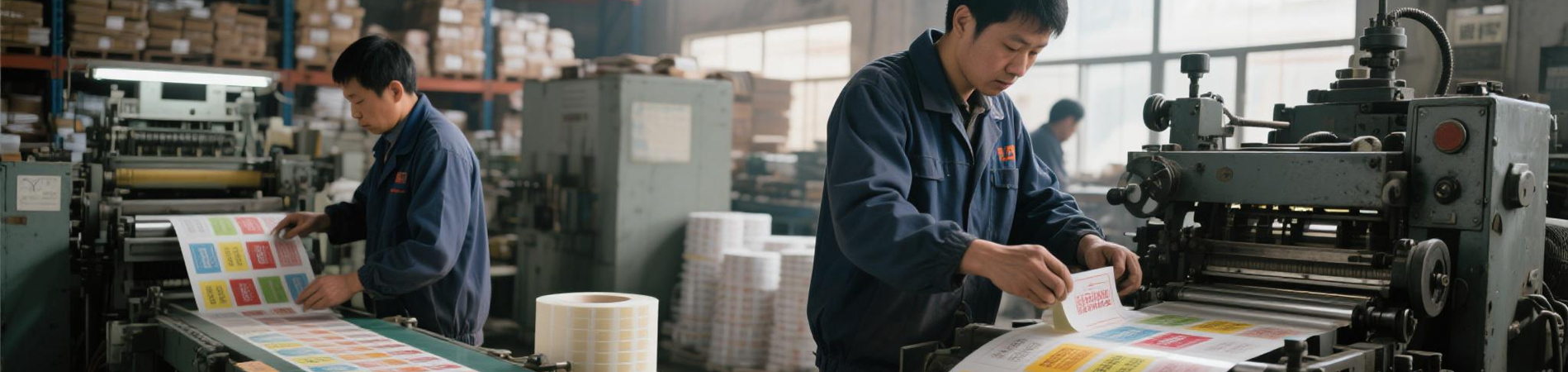
. Metallized Paper without Plastic: This is the star material for 2025-2026. Through special coating technologies, aluminum is vacuum-deposited directly onto the paper surface, completely eliminating the traditional plastic lamination layer. It not only possesses the high-end texture of a metallic sheen but is also fully recyclable and biodegradable, making it widely used for wine and cosmetic labels.
. High-Performance Bio-based Films: Beyond common PLA (Polylactic Acid), new materials such as PHA (Polyhydroxyalkanoates) and cellulose transparent films are becoming widespread. Their transparency, barrier properties, and flexibility now rival traditional plastics, yet they are derived from corn, sugarcane, or wood and possess industrial compostability.
. Stone Paper and Mineral-Filled Paper: Utilizing mineral powders like calcium carbonate to replace wood pulp not only reduces deforestation but also offers water resistance and tear strength, making them suitable for outdoor or cold chain labels.
2. "Detoxification" and "Low-Carbon" Upgrades in Ink Technology
Ink is a key pain point for label sustainability. Innovations in 2026 focus on source reduction and end-of-pipe treatment.. Nano-Modified Water-Based Inks: Issues with traditional water-based inks, such as slow drying and low gloss, have been resolved. By introducing nano-resins and bio-based pigments, new water-based inks achieve instant drying and high color gamut even on high-speed digital presses, with VOC (Volatile Organic Compound) emissions approaching zero.
. LED-UV Curing Inks: Compared to traditional mercury lamp UV, LED-UV reduces energy consumption by over 70% and produces no ozone. Newer formulations also achieve "low migration," meeting stringent standards for packaging in direct contact with food.
. Soybean and Algae Inks: The proportion of plant-based inks continues to rise, with some pioneering companies beginning to test carbon-negative inks made from microalgae extracts.
3. "Wash-Friendly" Design in Adhesive Systems
Label recycling is often hindered by adhesives. Innovation trends point towards "easy-release" and "wash-off" glues.. Wash-Off Acrylic Adhesives: Designed specifically for PET bottle recycling. In standard alkaline washing recycling processes, this adhesive separates rapidly from the bottle body without leaving residue or clogging filters, significantly improving the purity and value of recycled plastic (rPET).
. Bio-based Hot Melt Adhesives: These reduce reliance on petroleum-based raw materials by using renewable resources like rosin and vegetable oils for synthesis, while maintaining strong initial tack and holding power.

4. The "Double Stacking" of Functionality and Sustainability
Green materials are no longer just about being "eco-friendly"; they are endowed with smart functions to achieve "multi-purpose use.". Smart Temperature-Sensitive/Anti-Counterfeiting Bio-materials: Temperature-changing inks and light-variable anti-counterfeiting technologies are directly integrated into biodegradable papers or films. This eliminates the need for additional plastic lamination layers, achieving traceability and anti-counterfeiting while ensuring the overall package remains recyclable.
. Active Freshness-Keeping Labels: Natural antimicrobial agents or ethylene absorbers are embedded into bio-based label materials to extend the shelf life of fresh food, indirectly reducing food waste (which is also a broad contribution to sustainability).
5. Digital Empowerment for "Full Lifecycle Transparency"
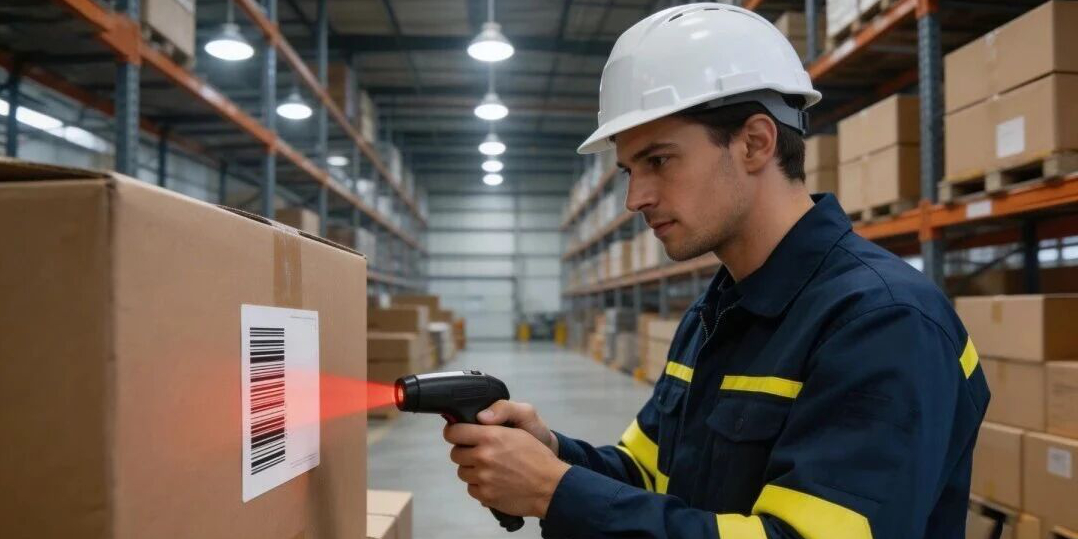
Beyond material innovation itself, the Digital Product Passport (DPP) is becoming standard for green labels.. QR Code/RFID Integration: Every green label carries a unique digital identity. Consumers can scan the code to view the label's carbon footprint, raw material sources, recycling guidelines, and degradation conditions. This not only meets global regulatory requirements such as the EU's Packaging and Packaging Waste Regulation (PPWR) but also enhances brand trust.
Summary and Outlook
The core logic of green label material innovation in 2026 has shifted from a singular focus on "replacing materials" to "system-level solutions.". Past: Sacrificing performance or increasing costs for the sake of environmental protection.
. Present: Green materials offer superior performance (lighter, stronger, smarter), and thanks to economies of scale, their costs are now on par with or even lower than traditional materials.For label printing enterprises, mastering the processing techniques for these new materials (such as drying control for water-based inks and die-cutting techniques for plastic-free paper) will become the core competitiveness over the next three years.


 Lianqian Neighborhood, Siming District, Xiamen, Fujian,
China 361008
Lianqian Neighborhood, Siming District, Xiamen, Fujian,
China 361008 Tel: 0086-13395056294
 Email: sinitan@foxmail.com