
What Are You Looking For?

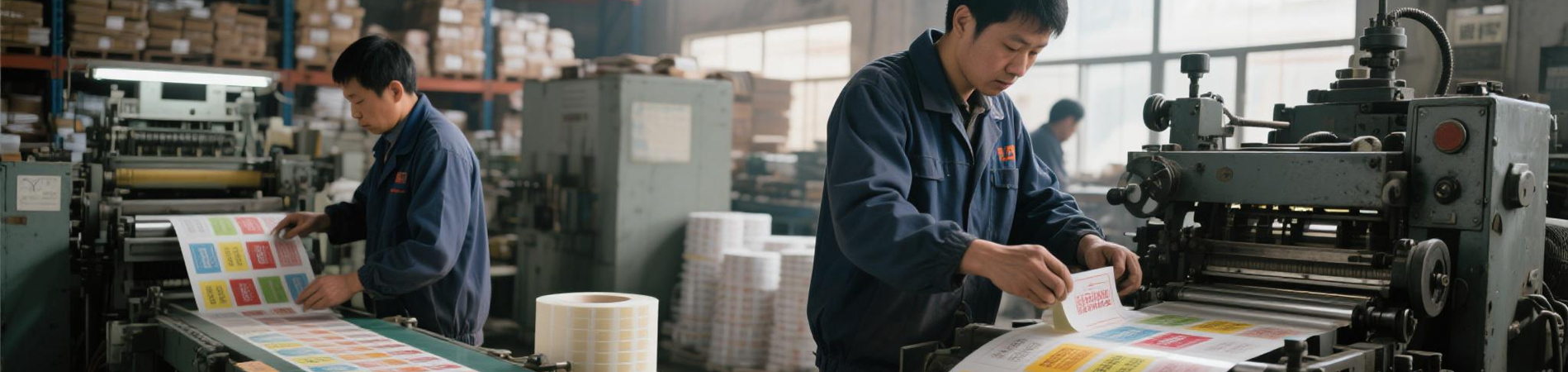
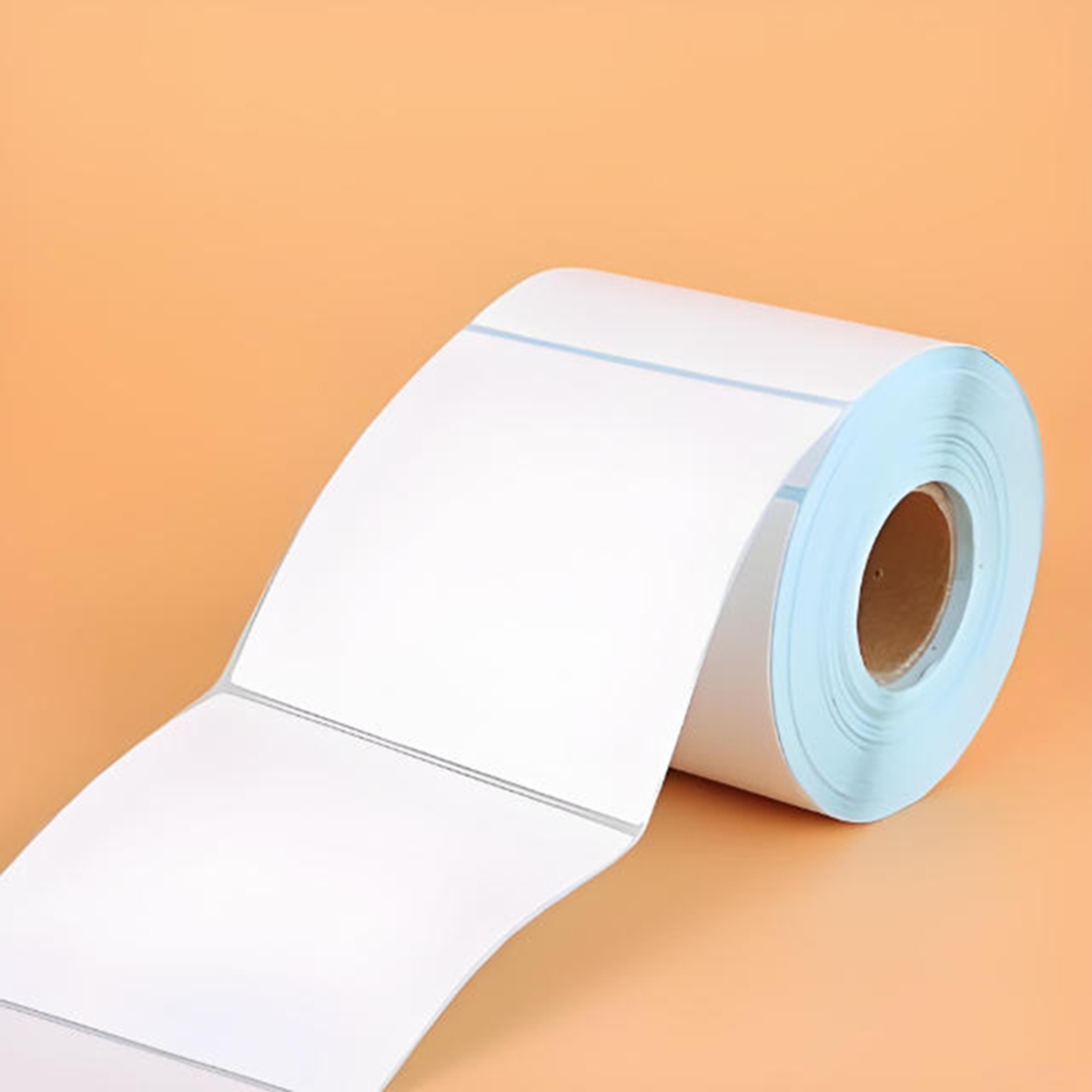
I. Selecting Water - and Humidity - Resistant Label Materials
1. Synthetic Paper2. Polyester (PET) Labels
PET material is strong, heat - resistant, humidity - resistant, and oil - resistant. It is commonly used in scenarios where label stability is highly required, such as electronic components and medical devices.3. Polypropylene (PP) or Polyvinyl Chloride (PVC) Films
These plastic film labels are flexible and durable, with excellent waterproof properties. They can maintain their integrity for a relatively long time in humid environments and are suitable for low - temperature, high - humidity environments like frozen food and refrigerated medicines.Tip: Avoid using ordinary offset paper or thermal paper — they are extremely prone to deformation, blurring, or even dissolving when exposed to water.
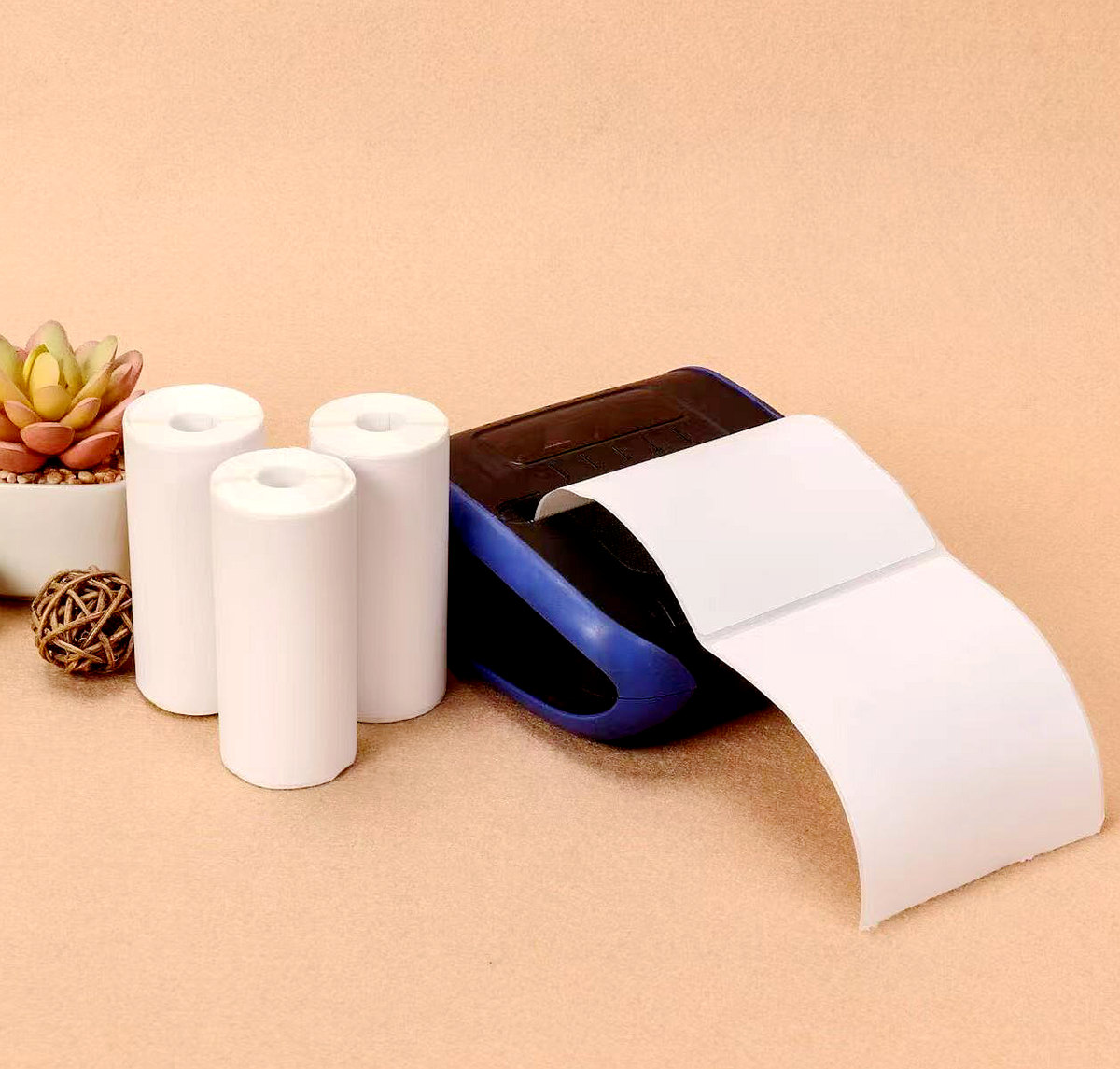
II. Optimizing the Label Adhesion Method
1. Using Waterproof Glue or Tape2. Label Position Selection
The position where the label is stuck is also very important. Try to avoid sticking the label in places where water is likely to accumulate or where condensation forms. For example, when sticking labels on glass containers, avoid the bottom and edges of the container where water droplets are likely to form. If the label is stuck in these positions, water droplets can easily gather on the surface of the label, causing it to become damp and fail. On the contrary, sticking the label on the middle side of the container, which is relatively dry, can reduce the risk of dampness. In the labeling of some outdoor equipment, the equipment's drainage should also be considered to avoid sticking the label near the drainage outlet, which can extend the life of the label.III. Additional Protective Measures for Labels
1. Covering with a Protective Film2. Sealed Packaging (for Small Labels)
For some small labels, sealed packaging can be used. For example, the warranty labels of some electronic products can be placed in a small sealed plastic bag. Desiccants can be placed inside the plastic bag to absorb moisture and keep the label in a dry environment. This method of sealed packaging is especially suitable for occasions where labels need to be preserved for a long time and the integrity of the label information is highly required, such as the authentication labels of some valuable artworks. By using sealed packaging, the labels can be well protected in a humid environment.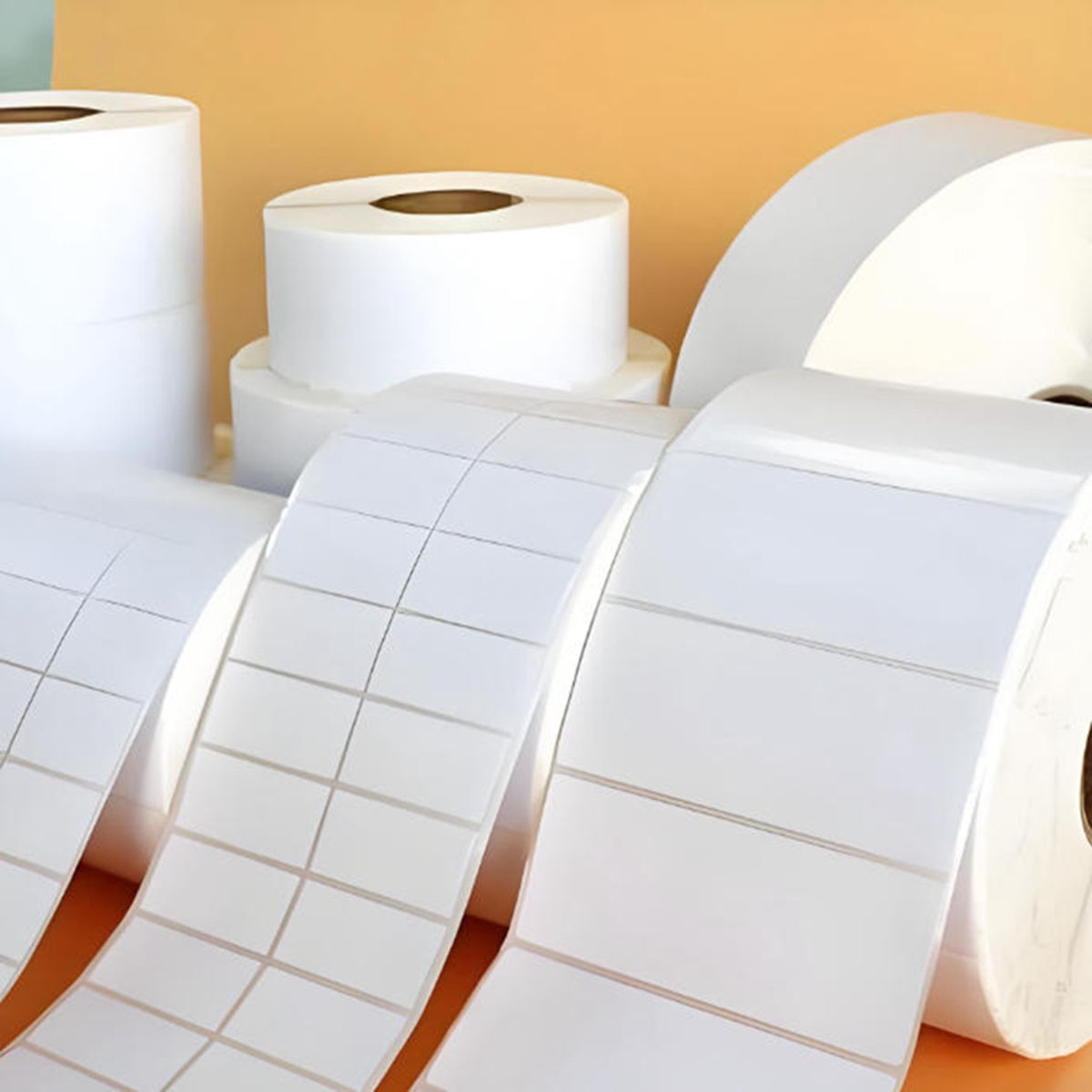
IV. Environmental Control (if Possible)
1. Reducing Humidity2. Avoiding High - Temperature and High - Humidity Environments
High - temperature and high - humidity environments are more destructive to labels. Try to avoid placing items with labels in such environments. For example, in some kitchen cabinets, due to the large amount of steam generated during cooking and the relatively high temperature, it is not suitable for storing items with important labels. If storage is necessary, the items can be placed away from heat sources and steam, or the above - mentioned protective measures, such as sealed packaging, can be adopted to reduce the impact of high - temperature and high - humidity environments on the labels.Although labels may seem insignificant, they play an irreplaceable role in many situations. By choosing the right label materials, optimizing the adhesion method, taking additional protective measures, and controlling the environment, we can effectively prevent labels from failing in humid environments. In this way, whether it is for the transmission of commercial product information or the identification of items in our daily lives, labels can play their roles more accurately and clearly, bringing convenience to our lives and work.


 Lianqian Neighborhood, Siming District, Xiamen, Fujian,
China 361008
Lianqian Neighborhood, Siming District, Xiamen, Fujian,
China 361008 Tel: 0086-13395056294
 Email: sinitan@foxmail.com