
What Are You Looking For?

01 Frozen Adhesive
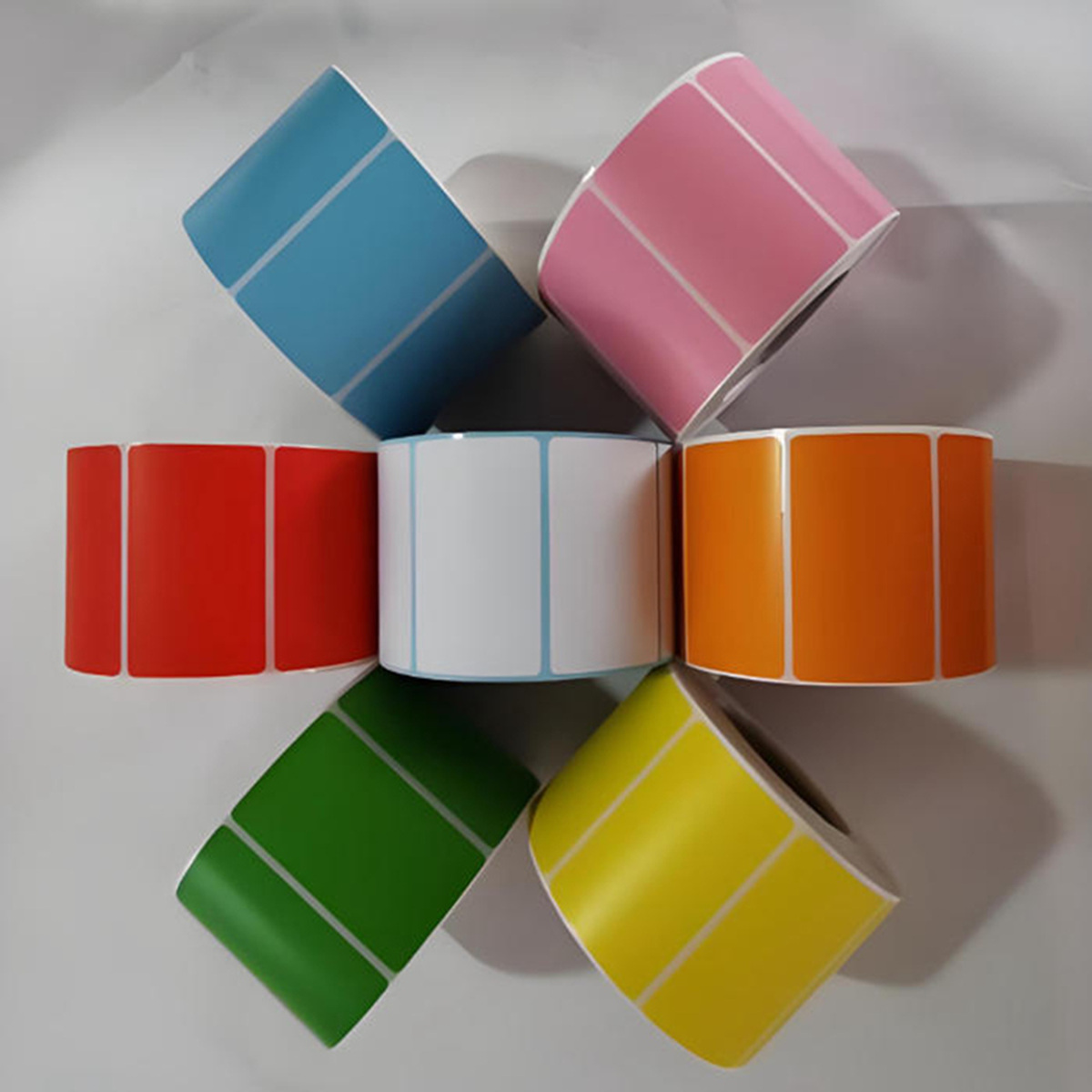
Self-adhesive labels usually have a “sandwich” structure, consisting of three parts: face material, adhesive, and backing paper. The viscosity of the adhesive is closely related to its fluidity. Generally speaking, the stronger the fluidity of the adhesive, the stronger its viscosity. The fluidity of the adhesive is also greatly related to temperature. The lower the temperature, the worse the fluidity of the adhesive. In winter, when the temperature is low, especially in the northeastern region where the temperature can often drop below -40℃, self-adhesive labels need to be stored in a heated warehouse. Since different adhesives have different minimum storage temperature requirements, it is best to adjust according to the parameters in the usage instructions provided by the manufacturer. Only by storing self-adhesive labels in an environment not lower than the minimum storage temperature can the adhesive’s viscosity function normally. If the temperature is lower than this, the adhesive will be frozen and its fluidity will weaken, resulting in reduced viscosity. Using self-adhesive labels that have been frozen will easily cause the labels to lift or even fall off after application.02 Rough Surface of the Object Being Labeled
The roughness of the surface of some objects being labeled is also one of the reasons for the lifting and even falling off of self-adhesive labels in winter. We know that the adhesive layer on self-adhesive labels has a certain thickness. It usually takes about 24 hours for the adhesive to fully bond with the surface of the object being labeled. Only after the adhesive has fully bonded with the surface of the object will it achieve maximum viscosity and be considered completely attached. Moreover, the face layer of the self-adhesive label has a certain rigidity, which will exert a counteracting force on the label after labeling, pulling the label in the opposite direction. This process is similar to a tug-of-war, and the label will tilt towards the side with greater force.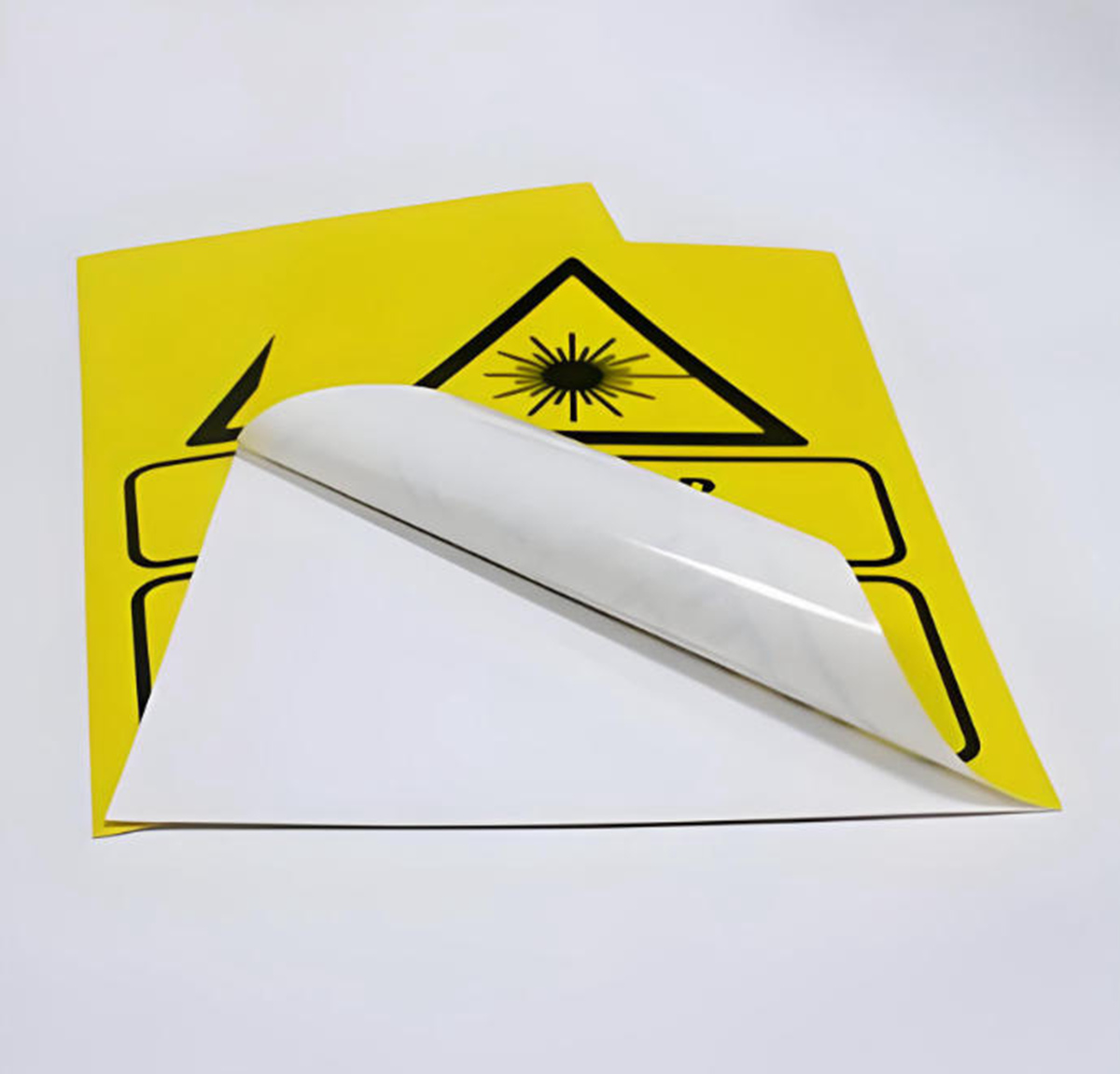
03 Low Surface Temperature of the Object Being Labeled
The low surface temperature of some objects being labeled in winter may also cause the self-adhesive labels to lift or fall off. Some enterprises have poor storage conditions in their warehouses, resulting in low surface temperatures of the objects being labeled. If labeling is done under such conditions, it will affect the normal performance of the adhesive’s viscosity on the self-adhesive label.04 Low Storage Environment Temperature After Labeling
Some customers immediately place the goods in a cold warehouse for storage after labeling. At this time, affected by the environmental temperature, the viscosity of the adhesive on the self-adhesive label will change, causing the newly labeled self-adhesive label to lift or even fall off because it has not yet fully bonded with the surface of the object being labeled.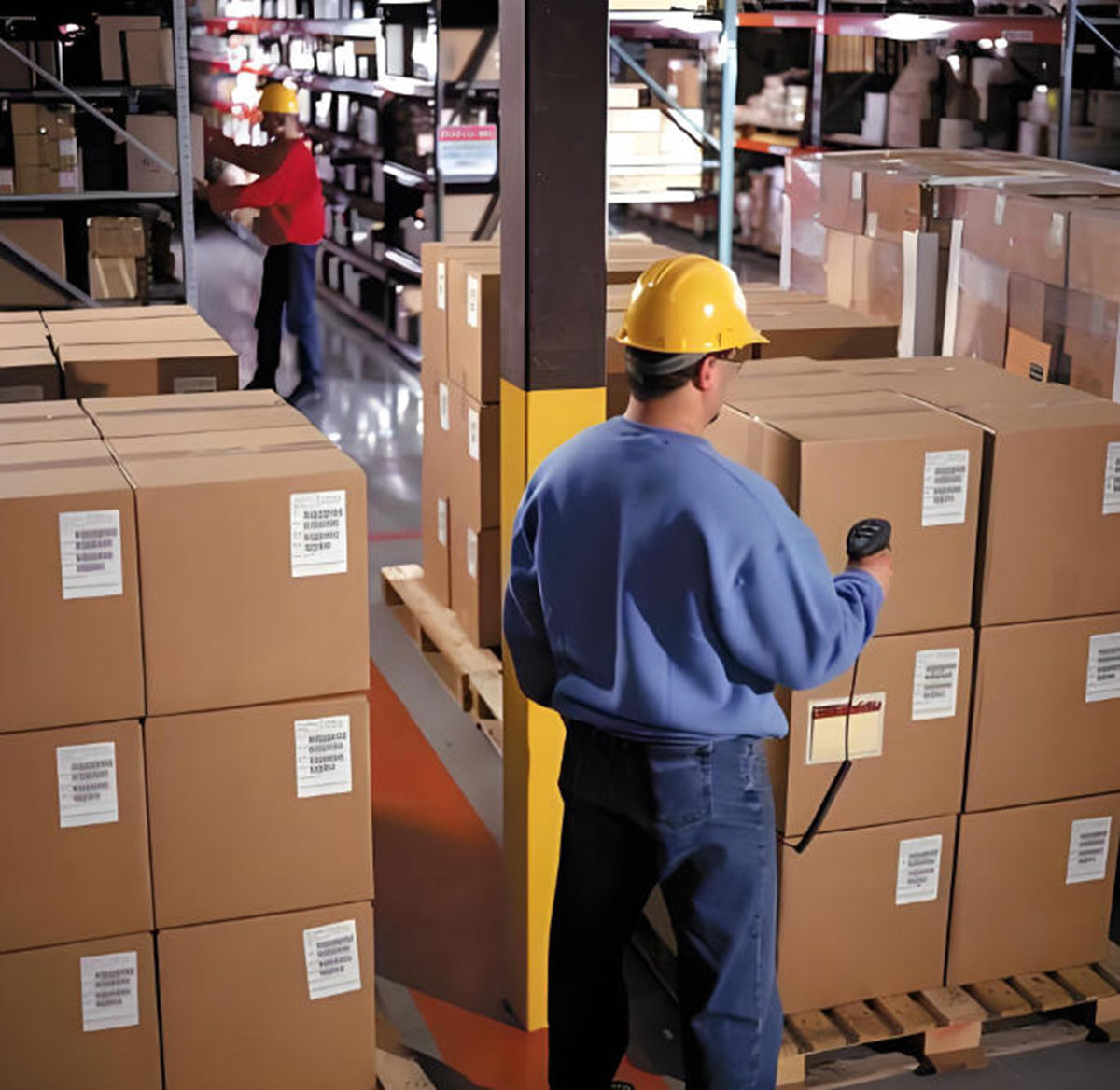
05 Insufficient Labeling Pressure
Some automatic labeling machines have insufficient labeling pressure. In the labeling process, the label is not pressed firmly. This may not be a problem in other seasons, but in winter, it may lead to label lifting or even falling off. This is because if the label is not pressed firmly during the labeling process, it means that the adhesive layer has not fully bonded with the surface of the object being labeled. Coupled with the low environmental temperature, all these factors together can easily cause the label to lift. Therefore, in the automatic labeling process in winter, it is necessary to check whether the pressure of the labeling roller meets the standard.


 Lianqian Neighborhood, Siming District, Xiamen, Fujian,
China 361008
Lianqian Neighborhood, Siming District, Xiamen, Fujian,
China 361008 Tel: 0086-13395056294
 Email: sinitan@foxmail.com