What Are You Looking For?

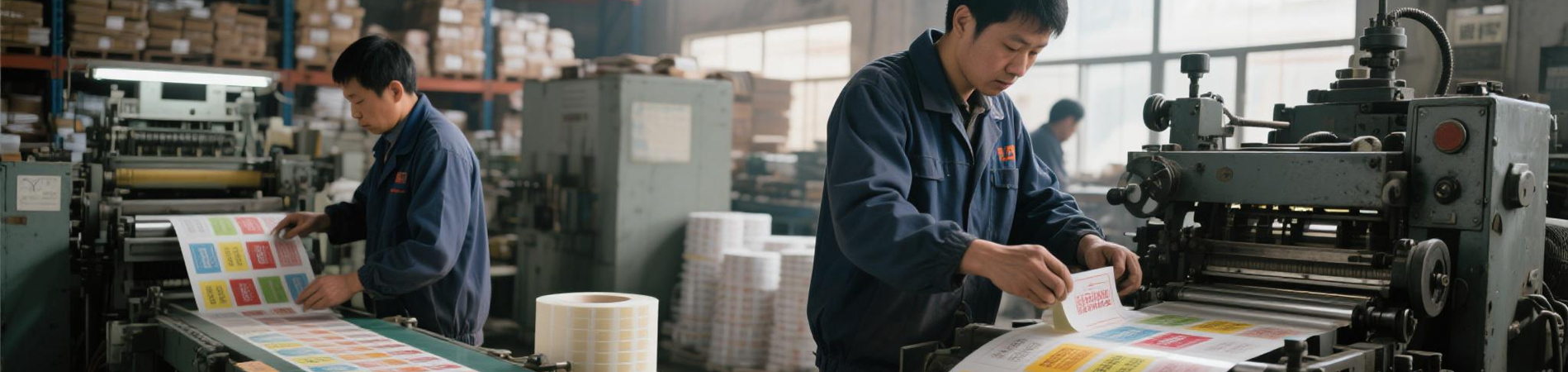
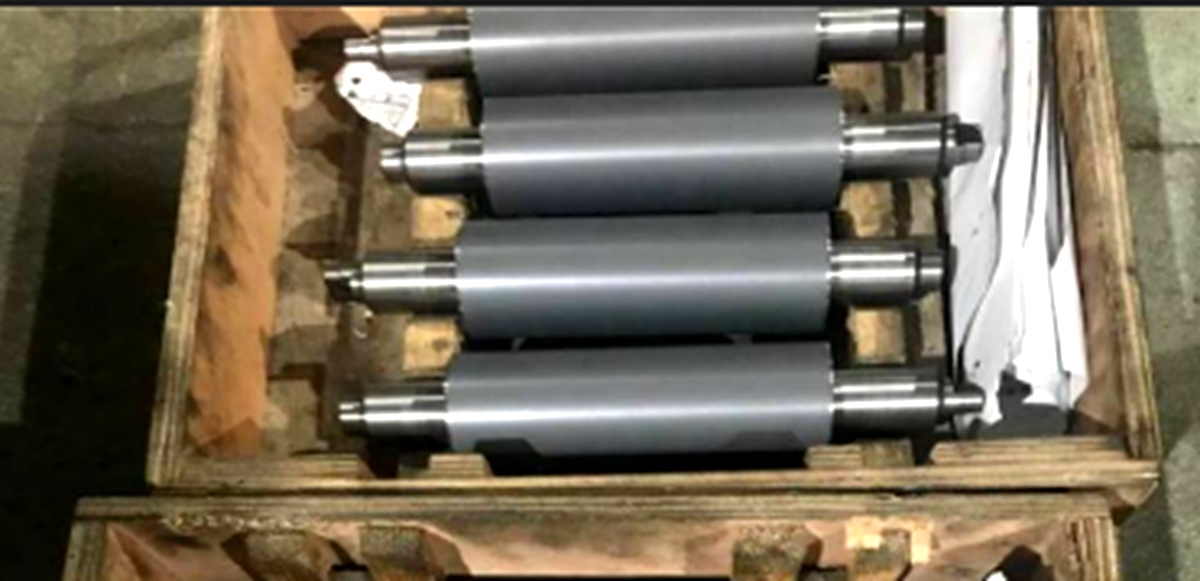
Ceramic anilox rolls are widely used. Their surface features a regular porous structure, which can accurately transfer various functional coatings and inks to different materials such as paper, plastic, film, and metal through direct or indirect (various resin, rubber plates) means. This process can change the physical and chemical properties of the material surface and enrich its colors. They are also commonly known as metering rolls, playing a crucial role in the ink supply system of flexographic printing.
If anilox rolls are not used properly in daily work, it will not only affect the uniform transfer of ink, thereby damaging the printing quality of printed materials, but also greatly reduce the service life of the anilox rolls themselves. In fact, most problems with anilox rolls have reasons. In this article, the author will discuss the proper use and precautions of anilox rolls based on their structure and ink transfer principles.
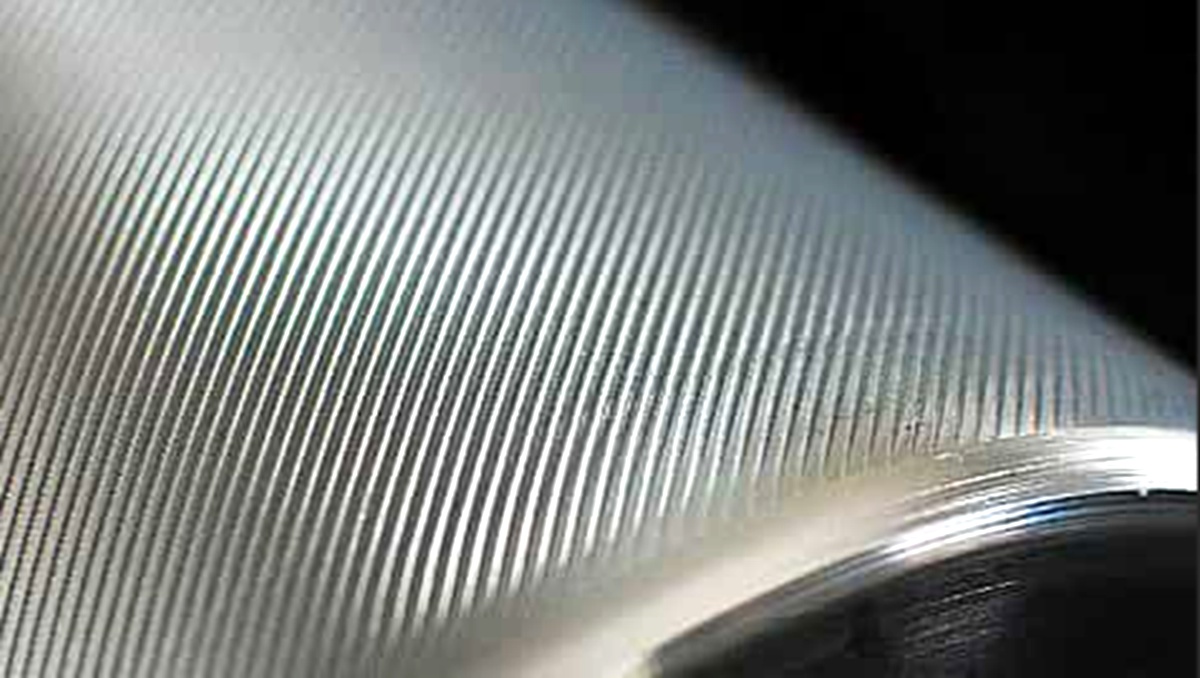
The structure of anilox rolls is similar to a “sandwich,” consisting of a roll core, base material, and surface plating. The roll core is usually made of metal, providing support and strength. The base material is often electroplated copper, used for engraving ink cells and cell walls. The surface plating is commonly metal chrome or ceramic, enhancing wear and corrosion resistance. On the surface of the anilox roll, there are many uniformly distributed tiny concave holes, which we generally call “ink cells.” It is these ink cells that play the role of ink storage, ink distribution, and quantitative ink transfer in printing.
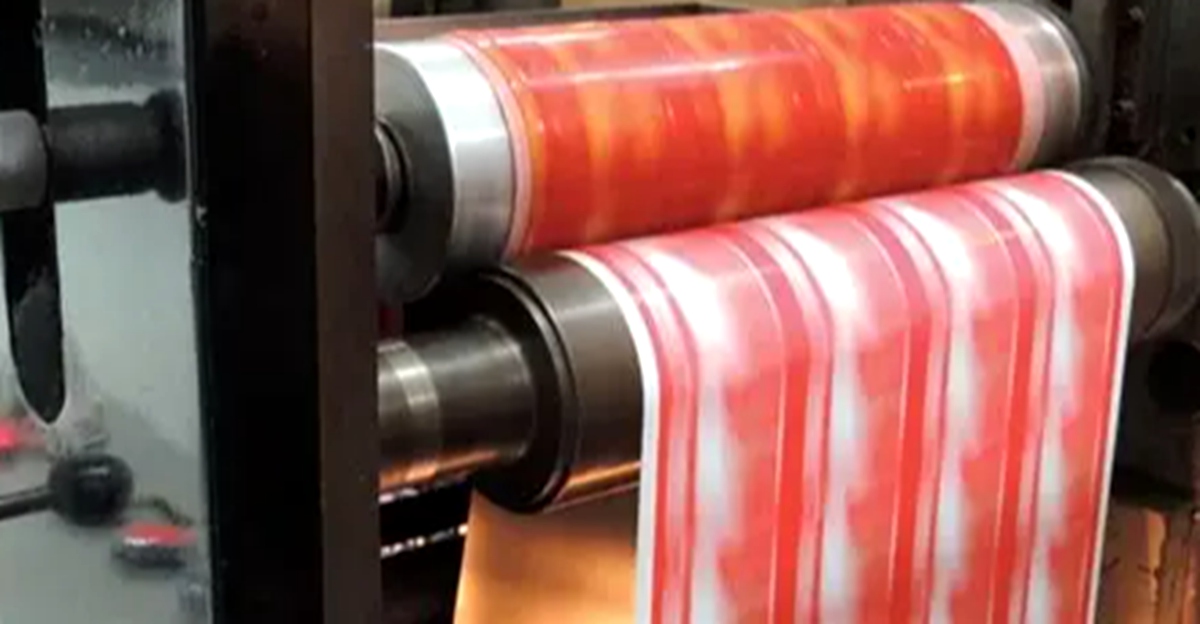
03 Use of Anilox Rolls
1. Doctor Blade Angle The angle between the doctor blade and the tangent point of the anilox roll is generally between 25° and 30°. If the angle is too large, the doctor blade will almost be pressing against the anilox roll. Since the surface of the anilox roll is not smooth, when it rotates at high speed, it will cause the elastic doctor blade to vibrate or jump, causing the solution to be splashed and resulting in uneven coating. This can lead to significant differences in coating amounts. Moreover, a larger angle can also easily damage the edge of the doctor blade.2. Break-in of New Rolls Unless absolutely necessary, do not use a new roll for important orders. Although a new anilox roll has undergone deburring, polishing, and pre-break-in processes at the factory, which can effectively reduce the wear on the doctor blade during use, this does not mean that the importance of break-in during the initial use of the new roll can be ignored. When a new roll is first installed on the machine, it is necessary to observe it in time. If lines are found, the machine should be stopped immediately to wipe the doctor blade. Generally, the hardness of particles is not sufficient to cause wear on the anilox roll, but it cannot be ruled out that some hard micro-particles may impact the cell walls under the action of the doctor blade, producing small ceramic chips that are trapped at the doctor blade edge. In less than a shift, it is enough to grind out irreparable grooves, and in severe cases, it can directly lead to the scrapping of the roll body. Under normal circumstances, it usually takes 2 to 3 weeks of continuous break-in.
3. Machine Downtime When the machine is down for a short time, the anilox roll needs to keep rotating. For long-term machine downtime, the anilox roll should be separated from the doctor blade in time, the rubber pressure roll should be loosened, and floating ink should be cleaned to prevent the occurrence of uneven ink supply in the horizontal direction or the difficulty of cleaning dried ink components when reused.
4. Ink Carrying Capacity Detection of Anilox Rolls Although ceramic anilox rolls have high hardness and long service life, they will also wear with the increase of usage time. This will lead to a gradual decrease in the ink carrying capacity of the anilox roll with the increase of usage time. Therefore, if a more standardized and comprehensive management of the anilox roll is to be carried out, it is necessary to regularly detect the actual ink carrying capacity of the anilox roll. Since this work does not need to be done too frequently, it is also a good choice to entrust this work to the anilox roll supplier.
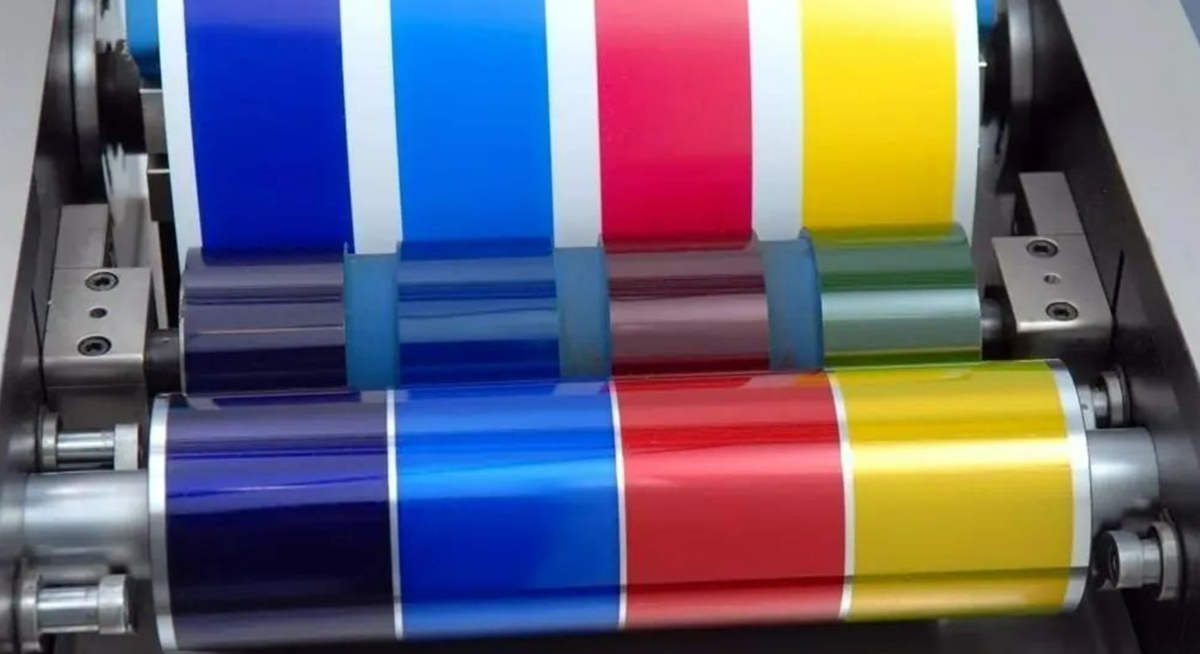
Daily Maintenance of Anilox Rolls
1. Avoid Scratching, Bumping, and Colliding with Anilox Rolls During daily use, the following points should be noted: Keep the equipment clean. Anilox rolls and rubber rolls are generally equipped with safety guards, which also serve to prevent dust and sand from falling between the anilox roll and the rubber roll and damaging the anilox roll. Therefore, in addition to keeping the surrounding environment of the equipment clean, it is very important to keep the equipment clean, especially to keep the guard clean, to prevent the ink residue inside the guard from falling between the anilox roll and the rubber roll.2. Clean Anilox Rolls Properly During daily use, the following points should be noted: Do a good job of daily cleaning of anilox rolls. After a day's work, there is still a lot of ink accumulated in the bottom of the ink cells of the anilox roll. If the ink in the ink cells is not cleaned in time, it will be very difficult to remove when the ink dries in the bottom of the ink cells. Therefore, it is necessary to clean up the accumulated ink in time. The methods can refer to the following:
• Steel Wire Brush Cleaning First, use a solvent to clean the ink, then apply a special chemical cleaning agent to the surface of the ceramic anilox roll, and clean the ink cells with a special stainless steel wire brush with a wire diameter of 0.07 mm.
• Chemical Cleaning Agent Soaking Cleaning Soak the roll in a special ceramic anilox roll ink cell chemical cleaning agent for 1 to 48 hours, and then spray the solution onto the rotating ceramic anilox roll through a high-pressure spray device moving along the roll axis to remove the residual ink in the ink cells. Finally, rinse with clean water and dry with air.
• Sodium Bicarbonate (Baking Soda) Dry Cleaning System By spraying dried sodium bicarbonate (baking soda) powder at low pressure onto the ceramic anilox roll, the principle of impacting the residual dried ink in the ink cells with the powder can effectively clean the ceramic anilox roll.
• Ultrasonic Cleaning Immerse the roll in a chemical cleaning solution and rotate it slowly. The ultrasonic device causes the solution to vibrate, creating countless microbubbles that impact the ink cells. The bubbles explode under pressure and impact the walls of the ink cells to remove the residual material in the ink cells and thoroughly clean the ink cells. It is necessary to pay attention to using appropriate ultrasonic intensity, frequency, time, and solution temperature to prevent excessive cleaning from damaging the ink cells of the ceramic anilox roll.


 Lianqian Neighborhood, Siming District, Xiamen, Fujian,
China 361008
Lianqian Neighborhood, Siming District, Xiamen, Fujian,
China 361008 Tel: 0086-13395056294
 Email: sinitan@foxmail.com