
What Are You Looking For?

What Are Common Cases of Improper Self-Adhesive Label Storage? Don’t Fall Into These Traps!
I. Case Studies
(1) Freezing and Hardening: The Dilemma of a Northern Printing Plant(2) Edge Lifting and Falling Off: The Lesson from a Daily Chemical Plant
In winter, a northern daily chemical plant conducted labeling operations on laundry detergent plastic bags in a workshop with a labeling environment temperature above 12℃. However, immediately after labeling, the products were transferred to an open-air warehouse for storage, where the temperature was below 0℃. After a period, when the products were taken out of the warehouse, the labels exhibited severe edge lifting and even falling off. This occurred because, in the low-temperature environment, the adhesive’s fluidity deteriorated, preventing it from fully bonding with the surface of the object to be labeled, resulting in insufficient adhesion.(3) Wrinkling: The Temperature Difference Challenge for a Blow Molding Plant
A northern blow molding plant carried out product labeling and storage at an indoor temperature above 20℃, while the outdoor temperature plunged to -30℃, creating a temperature difference of around 50℃ between the inside and outside. The backing material of the labels was high-density polyethylene (HDPE), and the label material was offset paper. Due to the significant temperature difference, the contraction of the backing material far exceeded that of the label, causing severe wrinkling of the labels on the product surface.(4) Moisture Absorption and Curling: The Challenge of the Rainy Season
During the rainy season, a company used matte paper labels to label cardboard boxes. After 24 hours, the labels showed signs of wrinkling. Investigations revealed that both the labels and the cardboard boxes were stored in the same warehouse before labeling, but the warehouse lacked temperature and humidity control. Cardboard boxes are more susceptible to moisture absorption than labels. As a result, during labeling, “dry” labels were applied to “moist” cardboard boxes. After the labels and cardboard boxes reached moisture equilibrium, their dimensions changed, leading to the formation of wrinkles.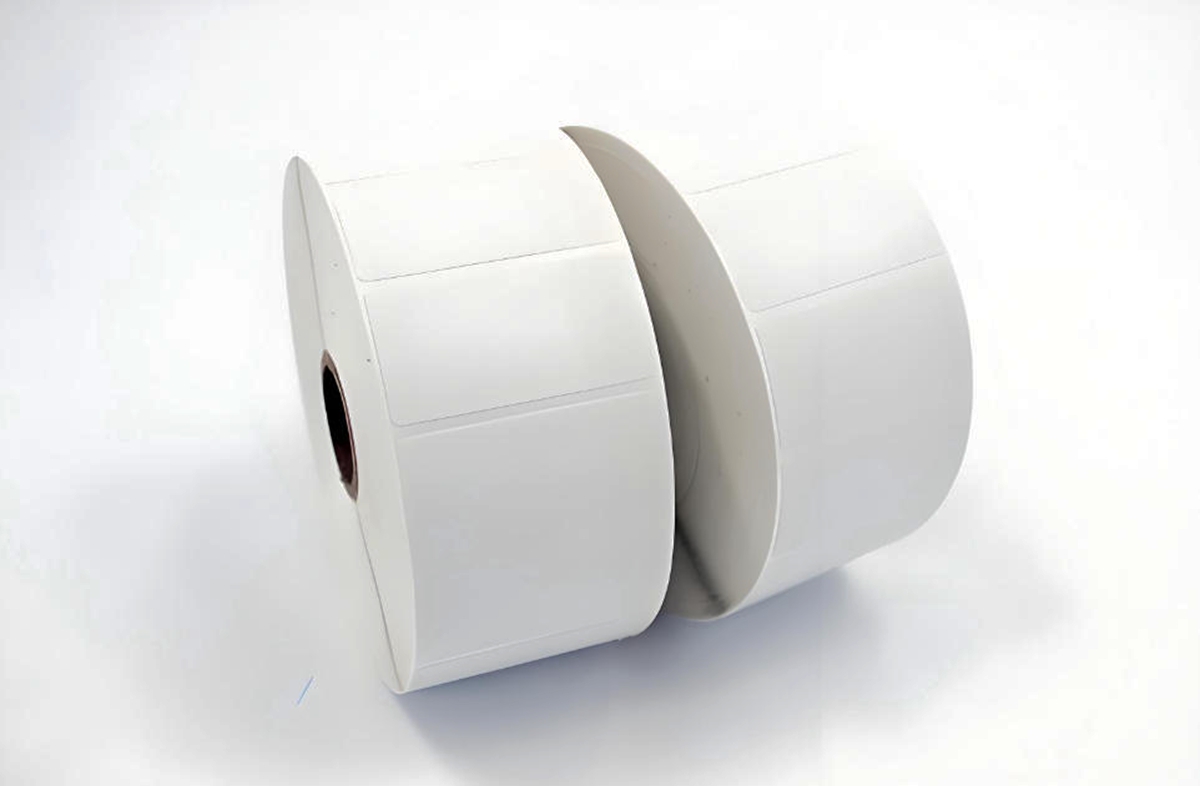
II. Storage Standardization Recommendations
(1) Control Temperature and Humidity(2) Avoid Direct Sunlight
Exposure to sunlight for extended periods or proximity to heat sources can accelerate the aging of label materials, causing the adhesive to lose its stickiness. For storage, choose a cool, well-ventilated warehouse, avoid direct sunlight, and keep away from high-temperature equipment.(3) Prevent Moisture Absorption
Moist environments can cause labels to absorb moisture and become soft, leading to sticking or wrinkling. When storing, use moisture-proof bags or sealed plastic films to wrap the label rolls. Avoid ground storage and recommend using shelves or wooden pallets.(4) Proper Placement
Ensure that the label rolls are placed stably during storage to prevent deformation and damage from heavy pressure or collisions. Also, store the labels in the order of use to ensure that the labels that entered the warehouse first are used first.(5) Preconditioning and Adaptation
Before processing or labeling operations, precondition the labels in the labeling environment for more than 24 hours. This allows the labels to regain some temperature, thereby restoring their adhesion and processing performance.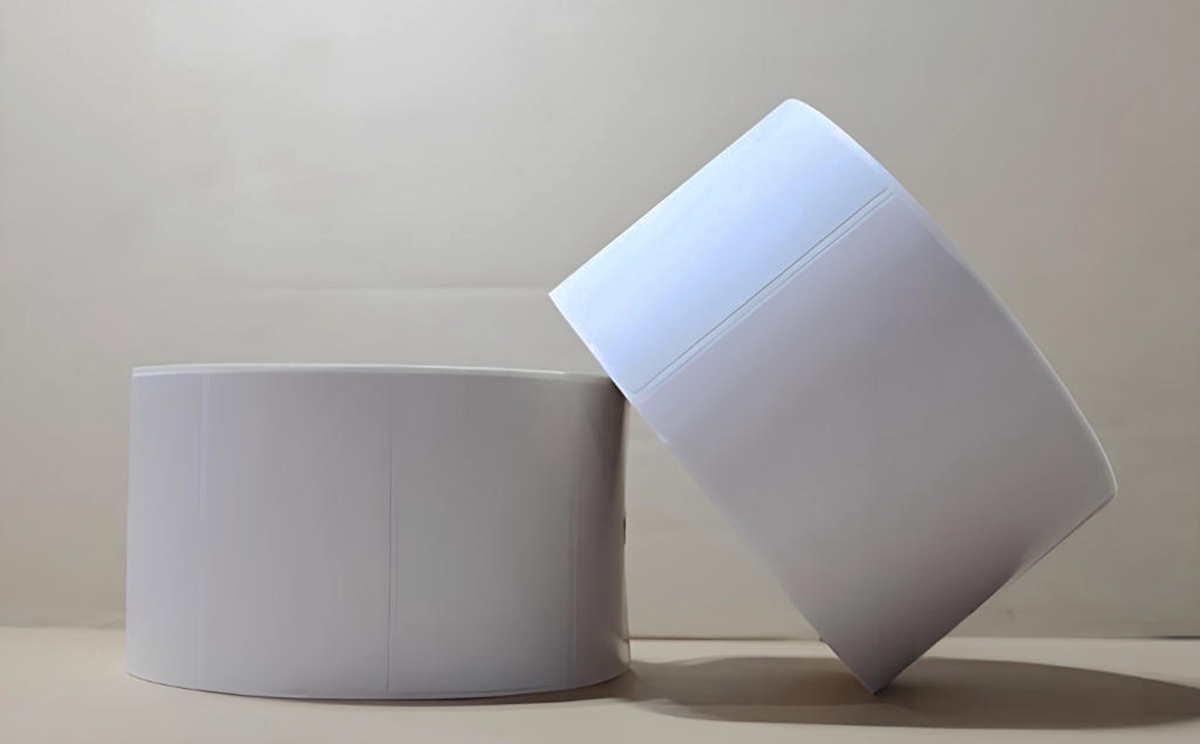
“Details determine success or failure.” A small self-adhesive label may go through weeks or even months of warehousing and circulation from the time it leaves the factory until it is affixed to a product. If quality issues arise due to improper storage, it not only causes direct economic losses but may also delay delivery schedules and damage brand reputation. Therefore, whether it is the label supplier, the brand owner, or the end-user, all parties should place great emphasis on the full life cycle management of labels and eliminate the regret of “good labels turning into waste” from the source. Standardized storage is the key to safeguarding efficient production.


 Lianqian Neighborhood, Siming District, Xiamen, Fujian,
China 361008
Lianqian Neighborhood, Siming District, Xiamen, Fujian,
China 361008 Tel: 0086-13395056294
 Email: sinitan@foxmail.com