
What Are You Looking For?

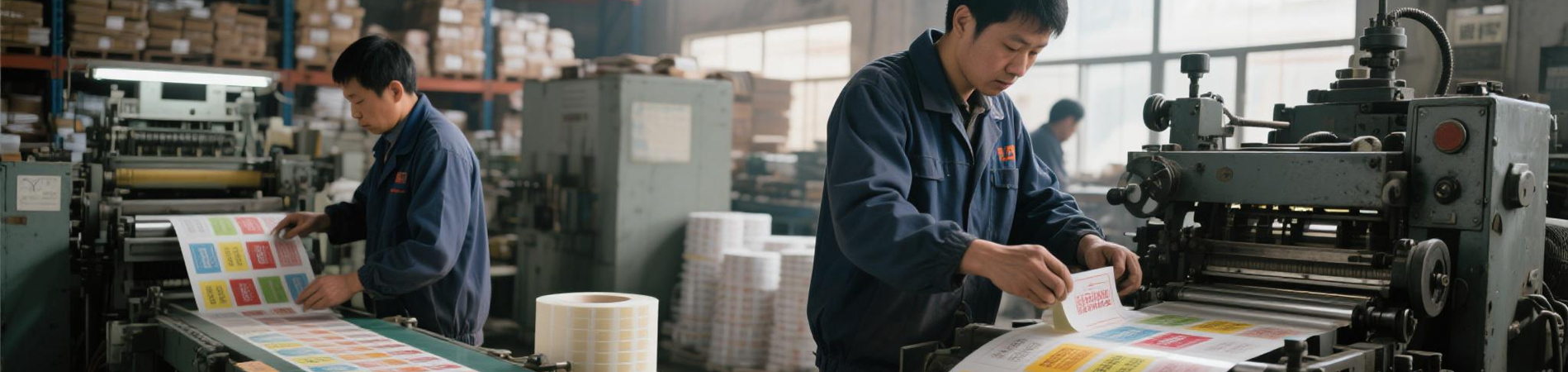
The Problem with Traditional Labels: Waste and Inefficiency
Conventional pressure-sensitive labels consist of two layers: a printable facestock on top and a silicone-coated backing paper (also called liner) underneath. To use them, you peel the label off the liner and stick it onto your item. But this process is not only cumbersome—it also generates massive amounts of non-recyclable liner waste. In high-volume labeling operations, mountains of discarded backing paper pile up, wasting resources and increasing disposal costs.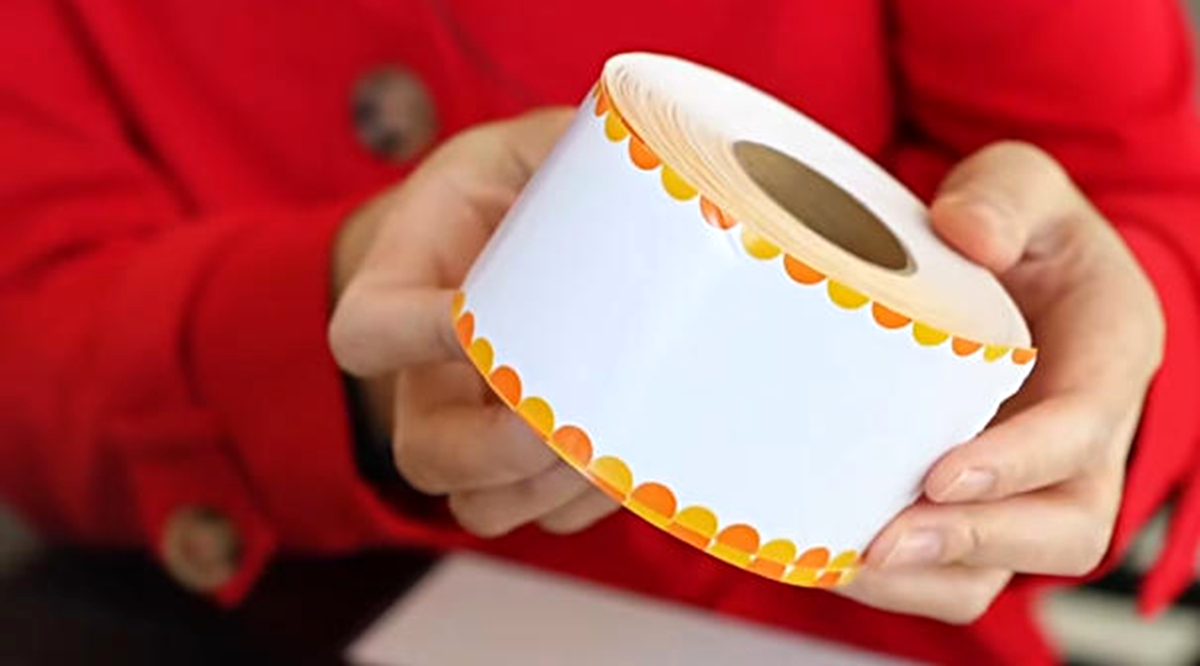
Linerless Labels: Eliminating Waste at the Source
Linerless labels flip the script entirely. They feature just a single layer of facestock, with pressure-sensitive adhesive (available in permanent or removable formulas) applied directly to the back. The front surface is coated with a thin layer of silicone, allowing the labels to be rolled up without sticking to each other. When used, they’re printed directly from the roll and applied—no liner needed.1. Truly Eco-Friendly
Without backing paper, each roll can hold 30–50% more labels, significantly reducing shipping volume, storage space, and associated carbon emissions. More importantly, zero liner waste is produced during use—aligning perfectly with strict environmental regulations in the EU and Japan, as well as growing consumer demand for sustainable products.2. Faster and More Efficient
Linerless rolls are more compact, meaning fewer roll changes and less downtime. Paired with compatible printers, they enable continuous high-speed printing and automatic cutting, dramatically boosting labeling throughput. For e-commerce sellers, logistics hubs, and manufacturers, this translates into lower labor costs and streamlined workflows.3. Superior Performance
The silicone coating doesn’t just prevent self-adhesion—it also gives linerless labels excellent water-, oil-, and abrasion-resistance, outperforming even standard “triple-resistant” thermal paper. Whether in humid warehouses, cold-chain logistics, or outdoor environments, these labels stay legible and securely attached.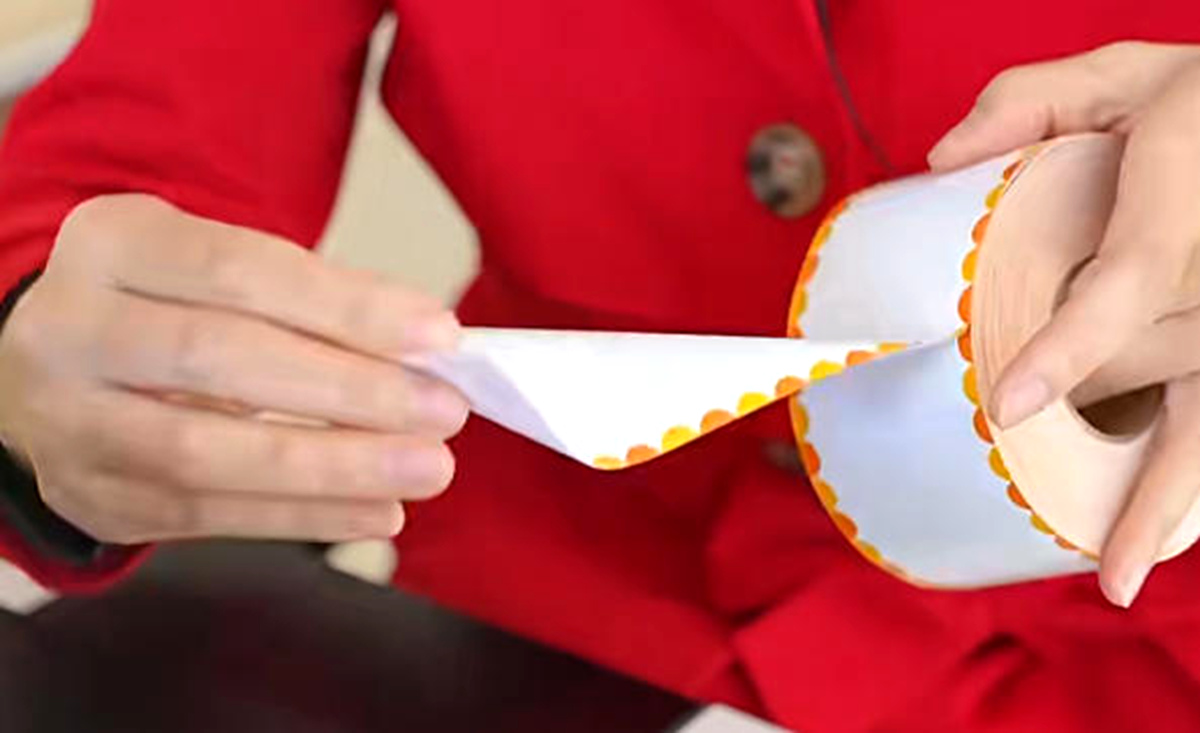
Why Are They So Popular in the U.S., Europe, and Japan?
Europe: Driven by the EU’s Circular Economy Action Plan, businesses are actively seeking ways to cut packaging waste.Japan: A culture of precision management and strong environmental awareness makes Japanese users highly receptive to space-saving, high-efficiency innovations.
United States: With its booming e-commerce and logistics sectors, the U.S. market demands automated, low-cost labeling solutions at scale.
That’s why linerless labels—whether blank for custom printing or pre-printed for branding, with permanent or removable adhesive—can seamlessly adapt to countless applications. They’ve become a “secret weapon” for cross-border sellers looking to enhance competitiveness while showcasing their commitment to sustainability.Final Thought
The rise of linerless labels isn’t a fluke—it’s the result of converging global trends: environmental responsibility, technological advancement, and real-world user needs. If you’re searching for a labeling solution that cuts costs, boosts efficiency, and reflects your brand’s green values, it’s time to try linerless labels—the small change that makes a big difference.
#Linerless labels#pressure-sensitive labels#label printing#food labels#logistics labels#wine labels#self-adhesive labels manufacturers


 Lianqian Neighborhood, Siming District, Xiamen, Fujian,
China 361008
Lianqian Neighborhood, Siming District, Xiamen, Fujian,
China 361008 Tel: 0086-13395056294
 Email: sinitan@foxmail.com